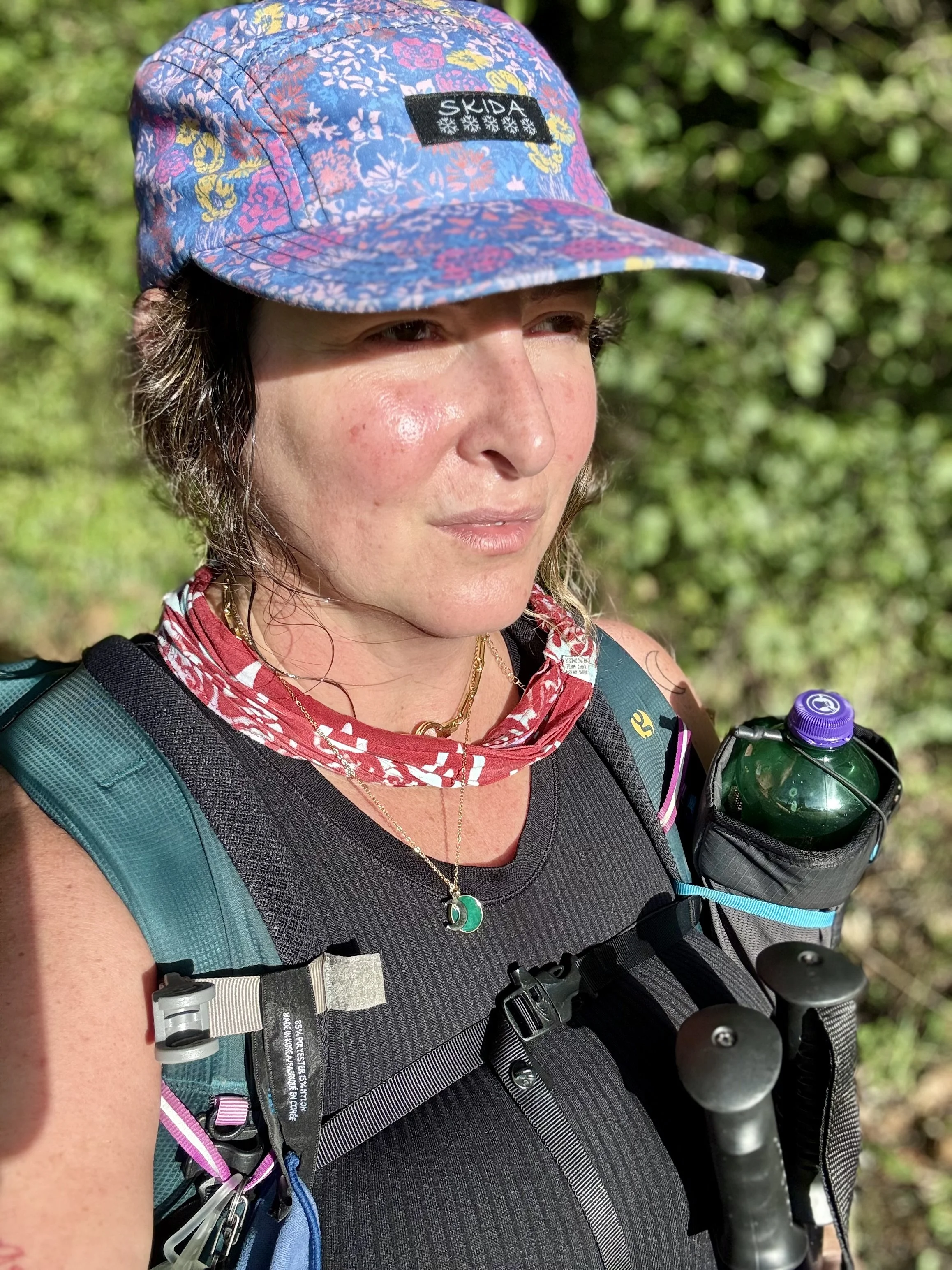
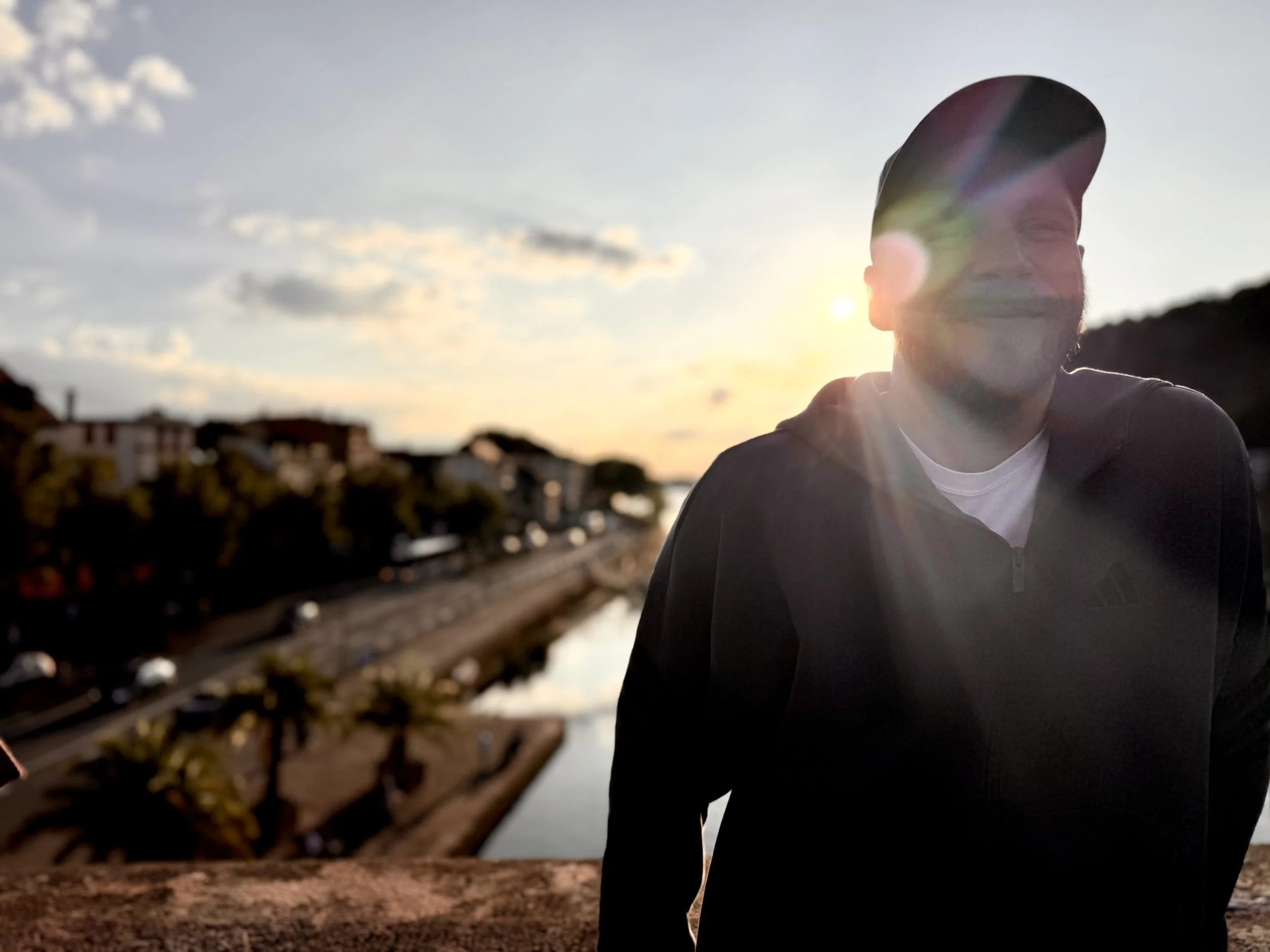
“We were making pancakes. My niece looked up and asked why I don’t have kids. Not mean. Just seven. The age where every question is a real one.
The adults in the other room went quiet. I could feel them listening. Everyone waiting to see which version I’d give. The joke. The deflection. Or the “maybe someday”.
I gave her the real one. Some people build their life with kids. I built mine with other things. Trips. My studio. Big dinners. And being an aunt. That last one’s a real job. I take it seriously.
She thought about it the way kids think. Fully. Then she said so you picked. I said yes. Exactly. I picked. She nodded and went back to the pancakes. Case closed in four seconds.
Adults have asked me that question for twenty-five years and never once accepted the answer that fast. It takes a seven-year-old to hear “I picked” as a complete sentence. Because it is one.
Later my sister brought it up. She said thanks for not making it weird. I said it was never weird. It’s only weird when adults treat my life like a secret or a symptom. Your daughter treated it like a fact.
My niece introduces me now as her aunt who picked traveling. Honestly. I’ve been called worse. I’ve never been described better.”
For women, our label of success, of “normalcy”, is often tied to being a mother.
The sacrifice. The nurturing. The sense of purpose. There was a time in my life when that was my goal, my North Star, my escape from actuating my options for the sake of expectation and saving my marriage. A time when I believed that it was my only one because, as a woman, that is how I was conditioned to see my future.
In this same breath, I grieve the lost opportunity. The gift of growing a piece of myself inside of me. And teaching her how to walk and to talk and how to make pancakes and how to pray. I would tell her about all of the mistakes that I have made so that she could do things differently. Give her a fighting chance to get things right the first time around. With more confidence and less generational trauma. And we’d laugh about the time that I went on a blind date with a Fisher Price model. For real, like literally the Dad on the front of the cardboard box playing Weeble People with his toddlers. We’d share Cool Ranch Doritos and make plans for final exams while we landed on the perfect shade for a nude lip. All of the while snuggled beneath a fuzzy blanket together, from a safe place, with me as her Mama.
There is no right or wrong, no predestiny.
Only the deck that you’re dealt and how you decide to play those cards.
By blood, I have been dealt not one, but two, very courageous, very vibrant, beautiful and free-willed nieces and countless others who have adopted me.
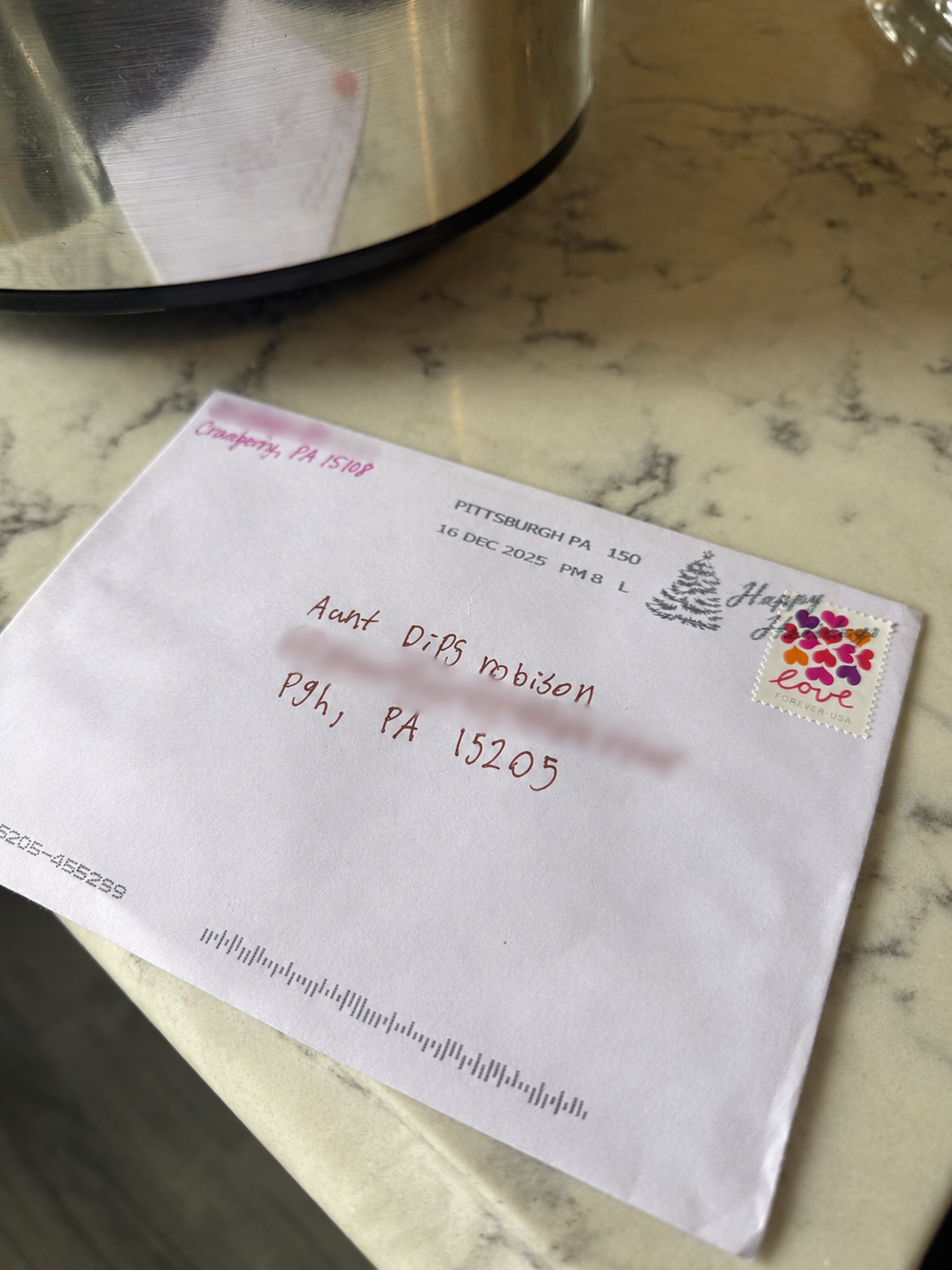
Aunt Sarah. Auntie Sarah. Ant Sarah. Aunt Lionel. Aunt Dips. Kreep, Ack and beyond.
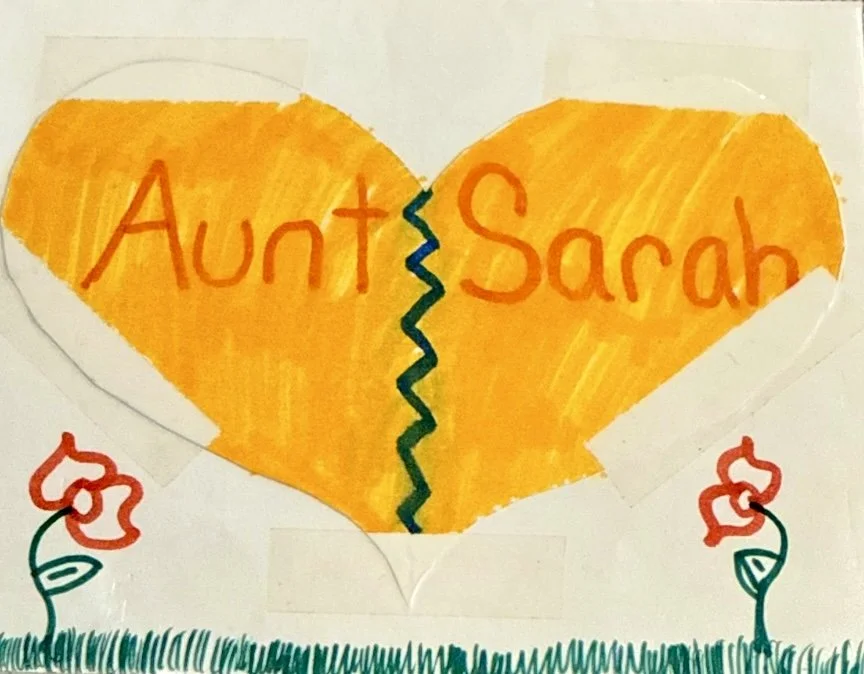
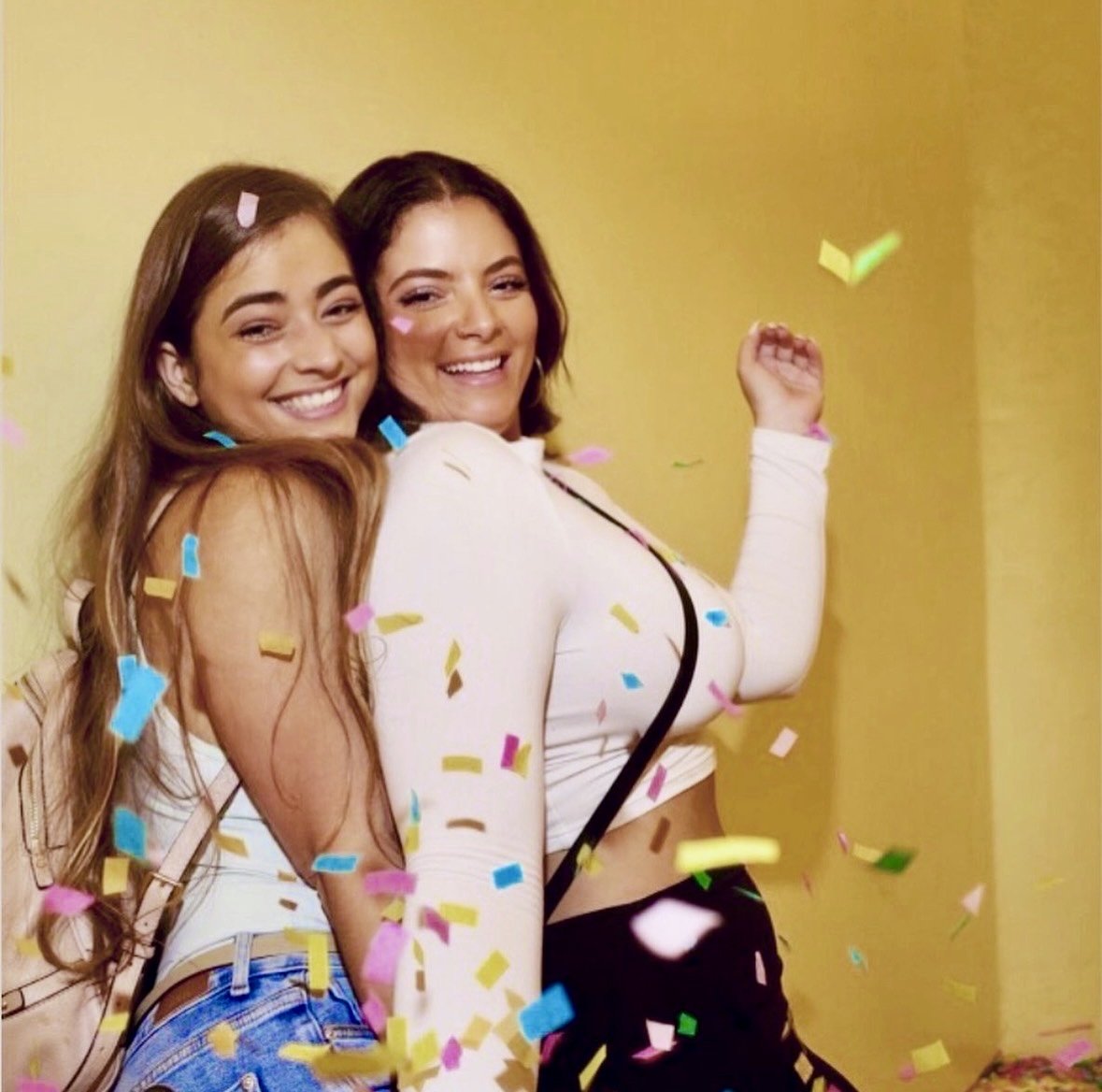
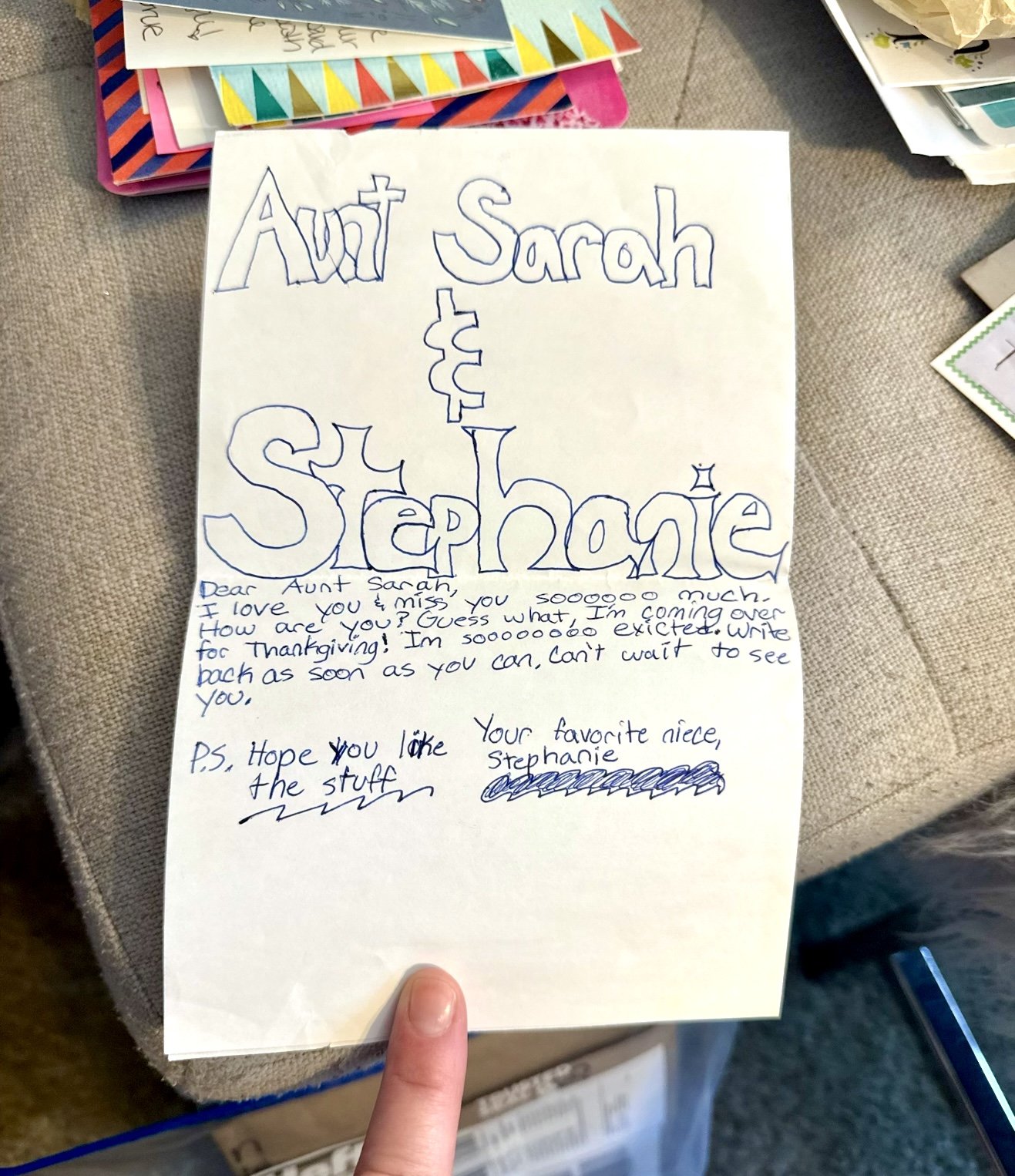
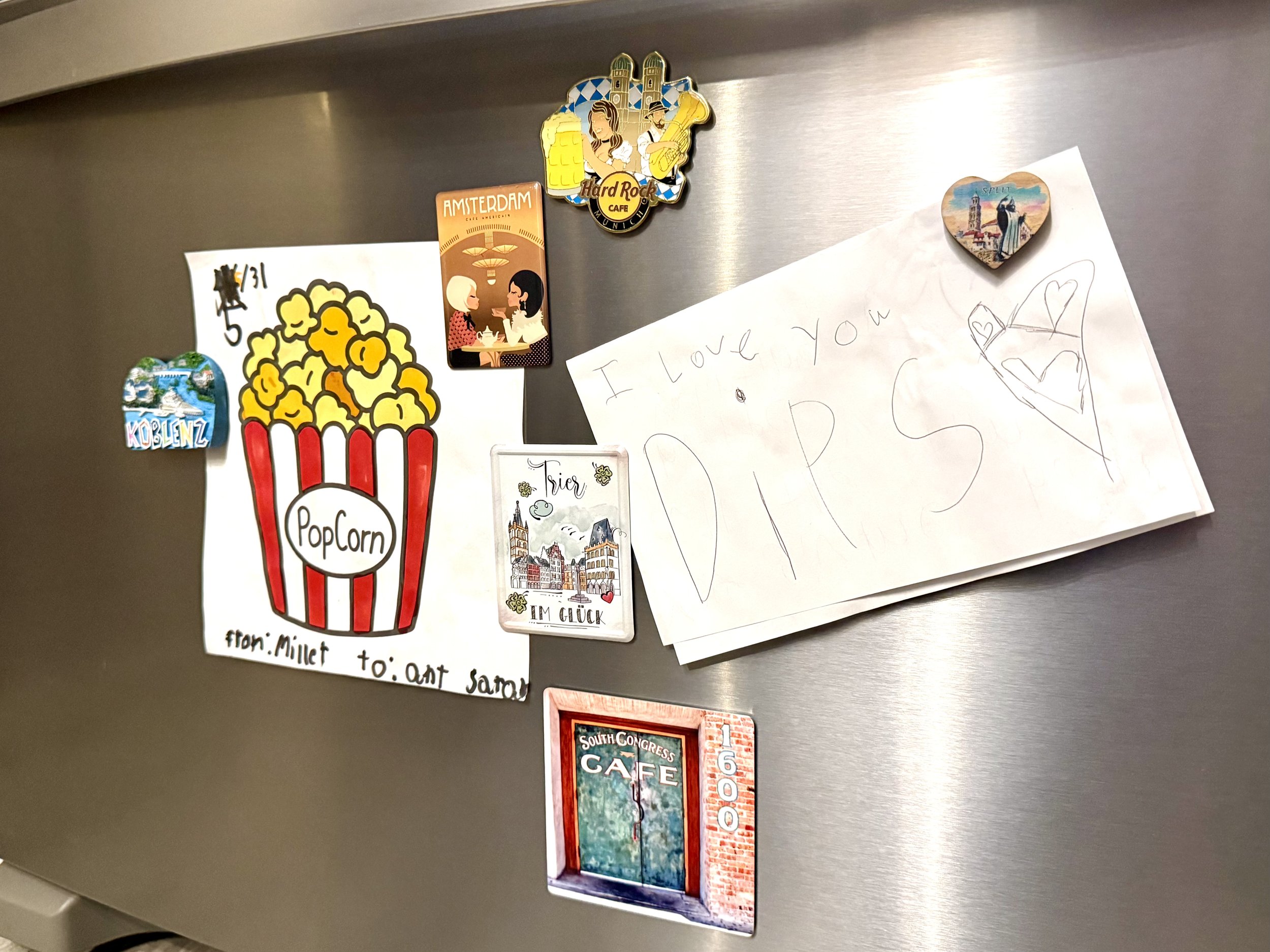
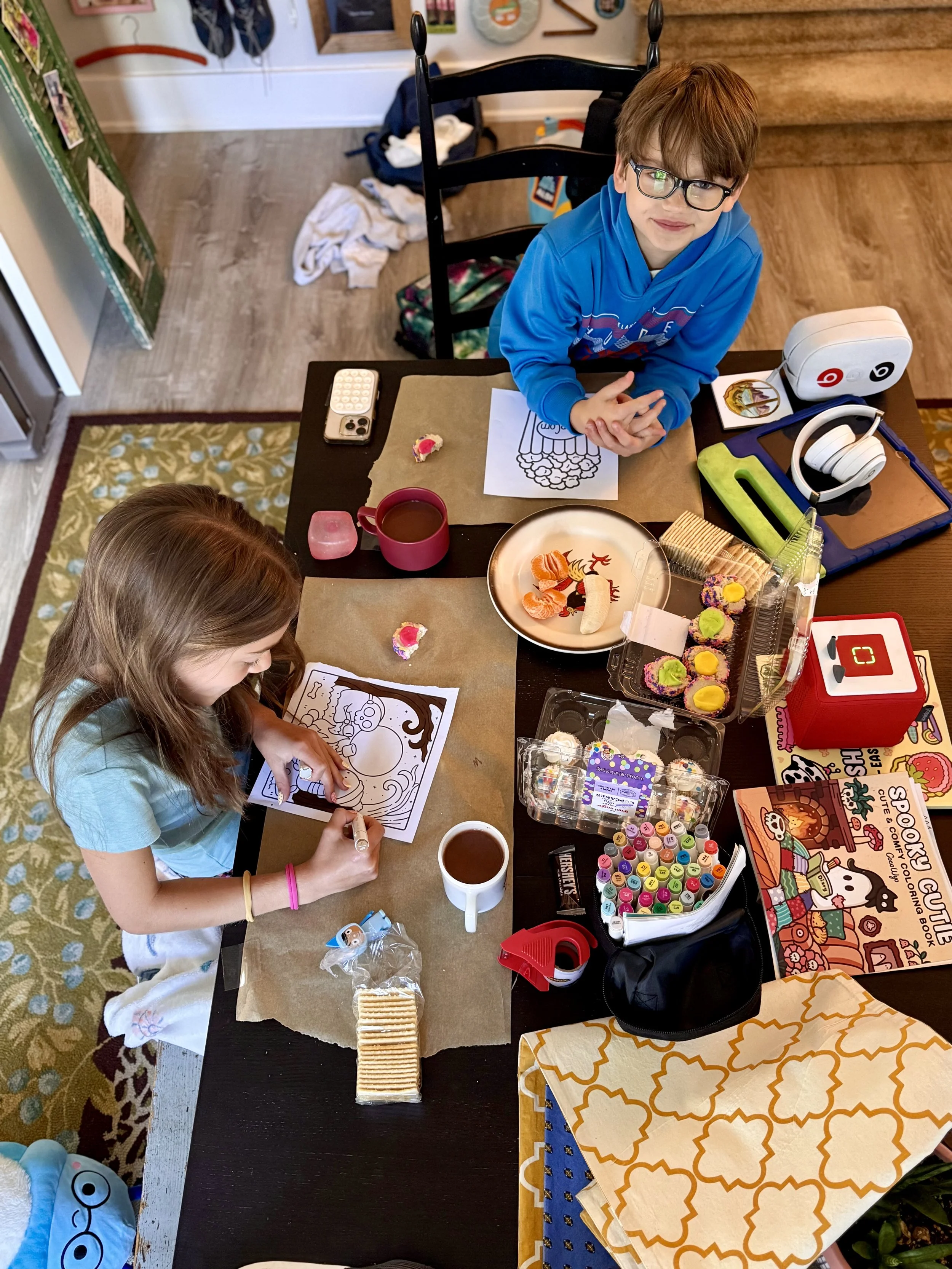
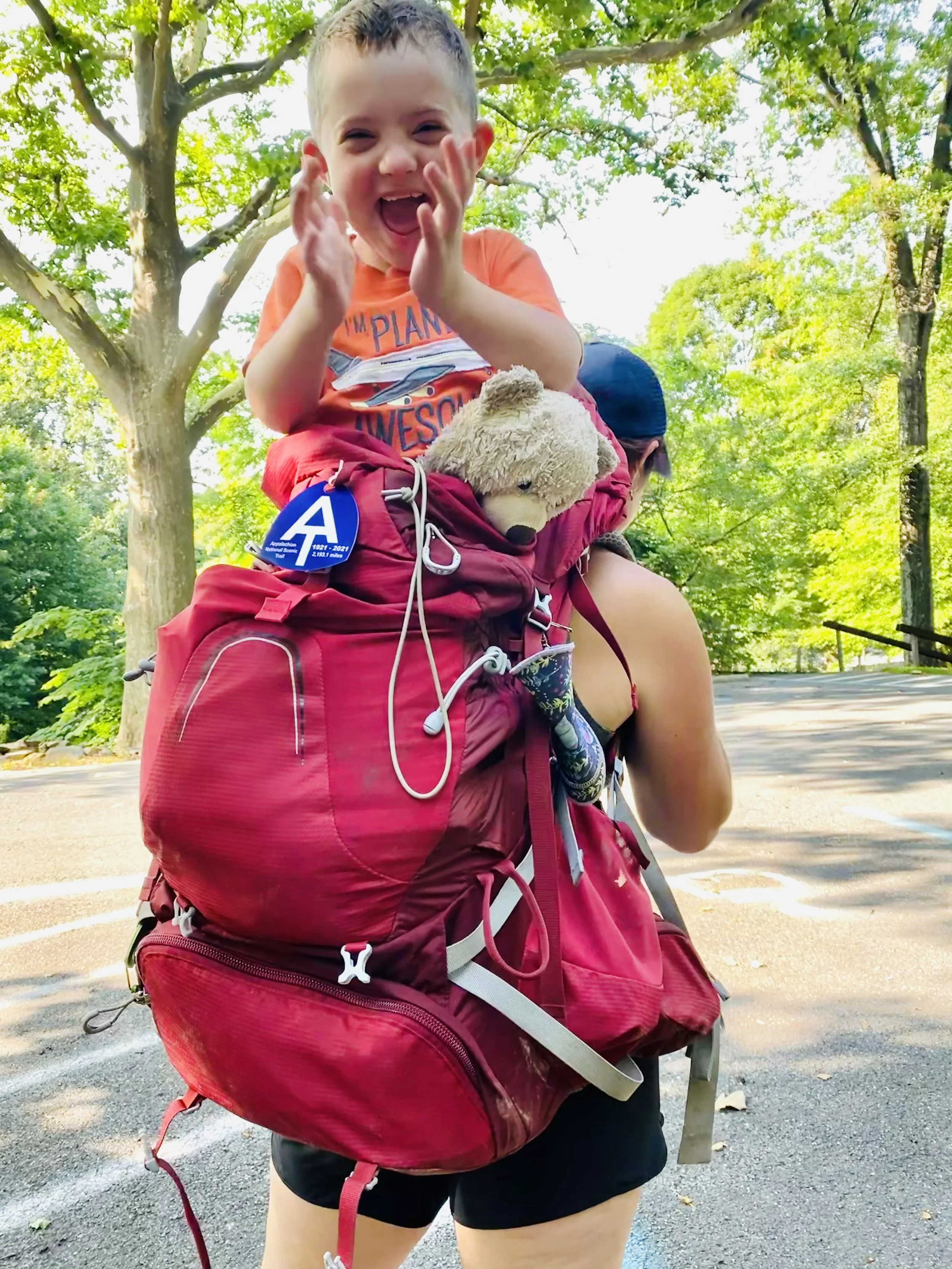
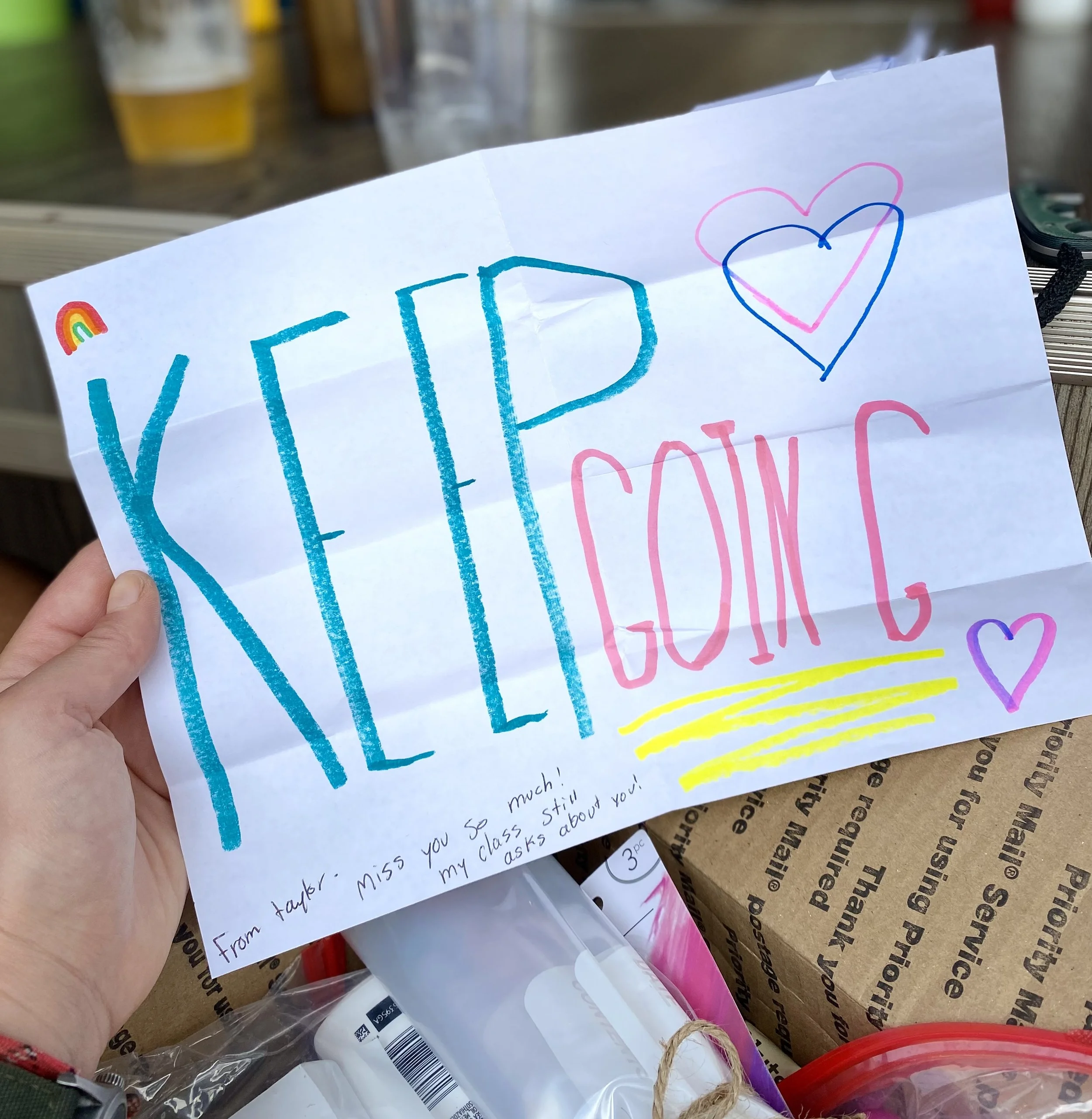
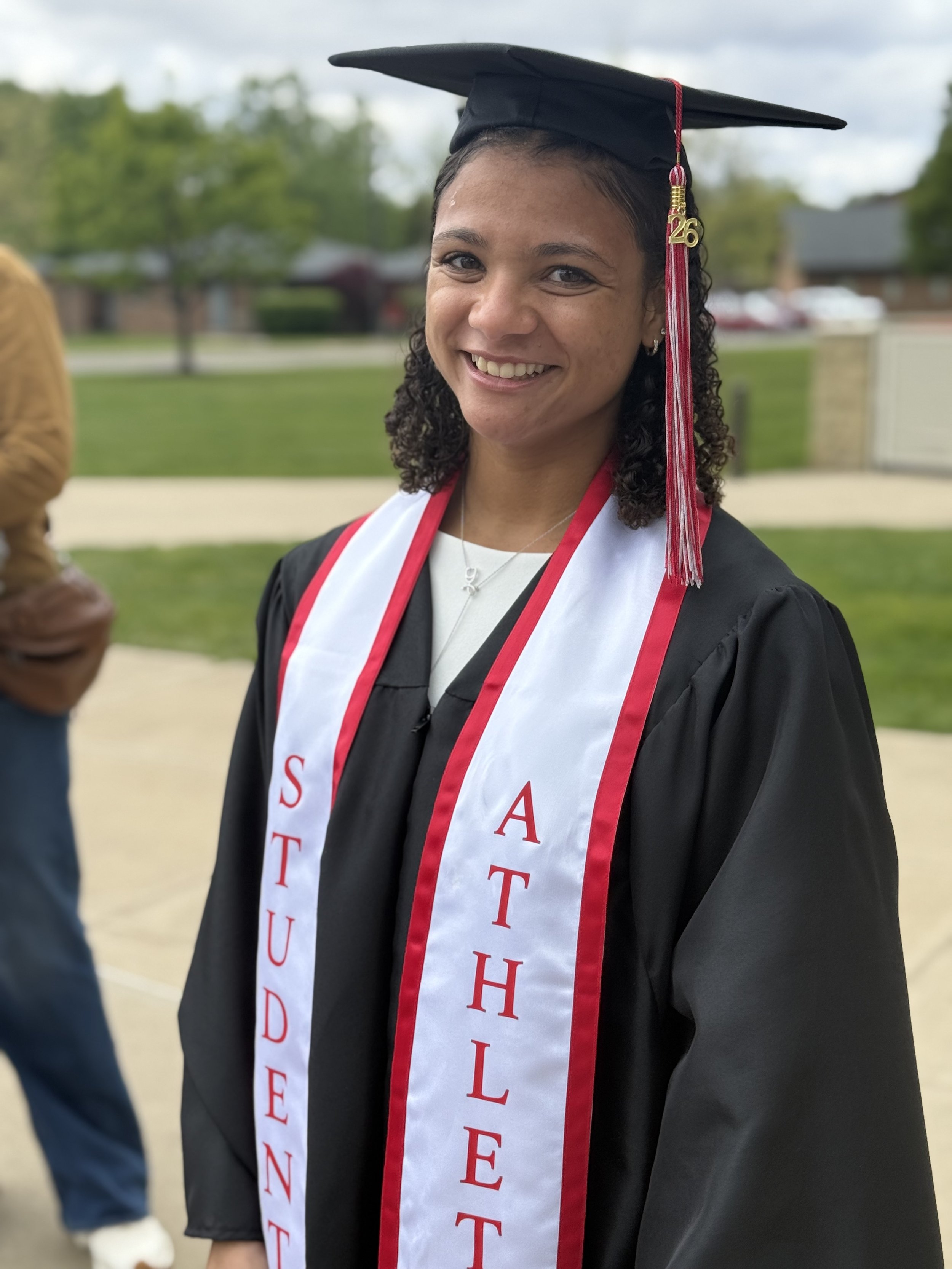
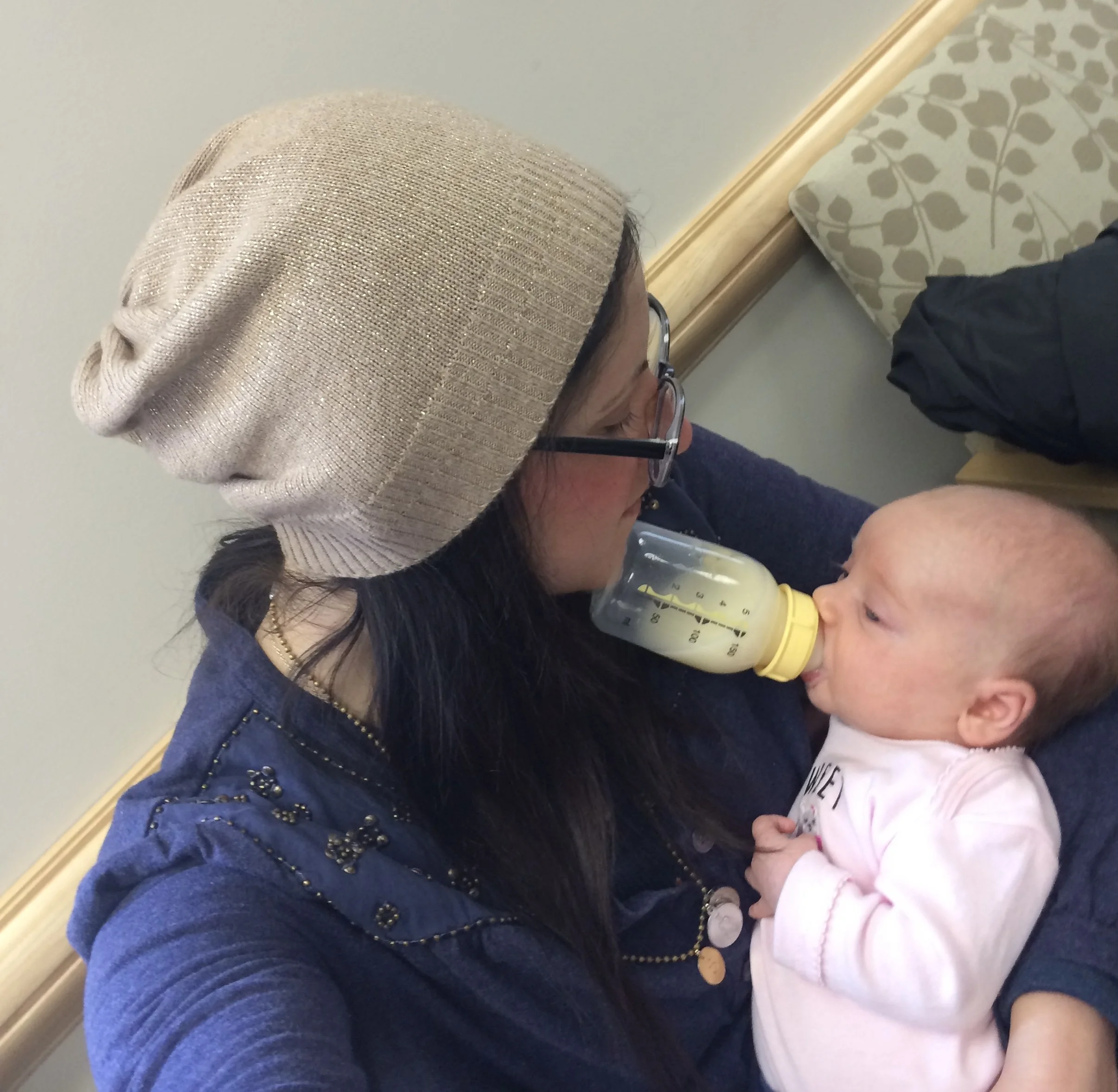
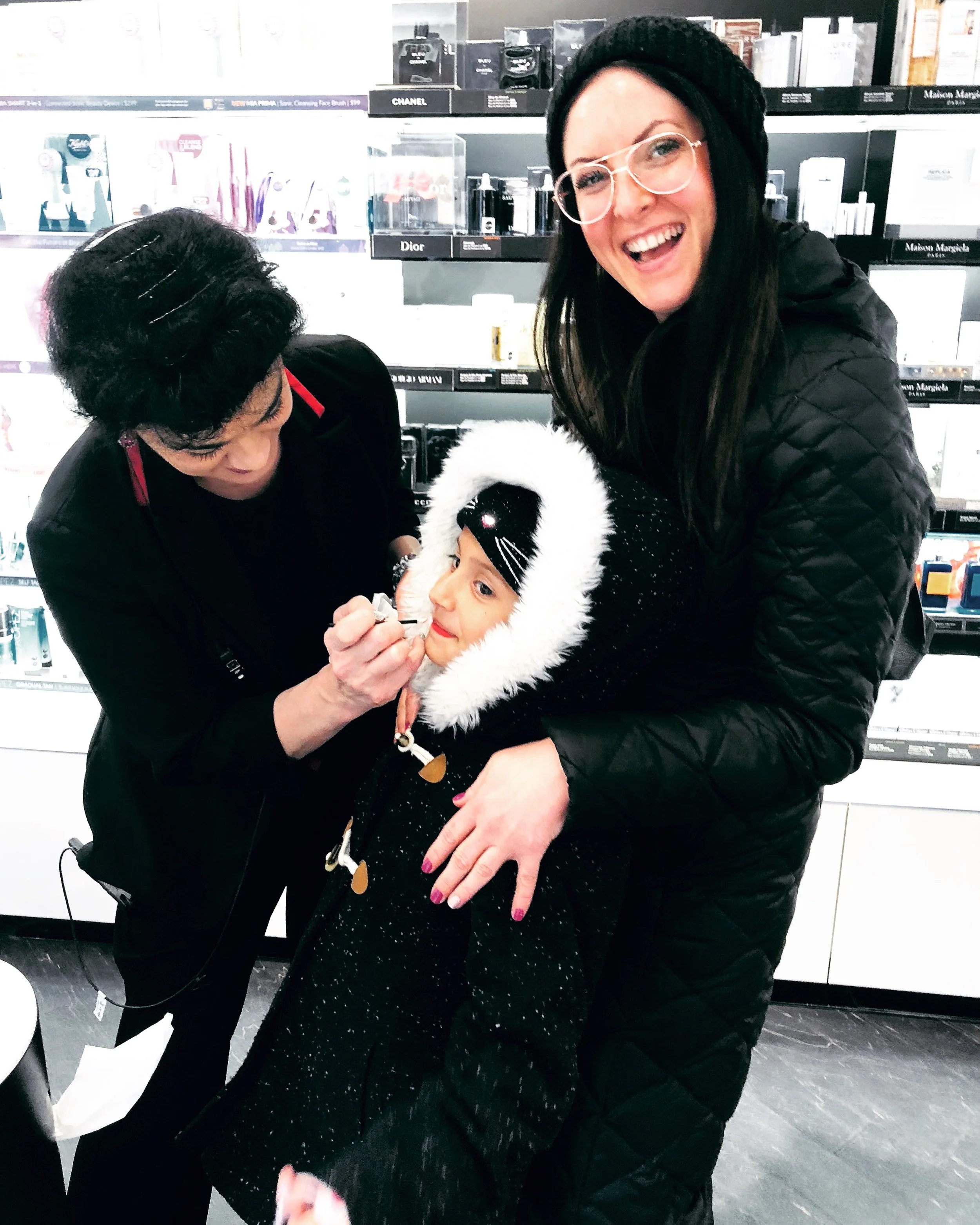
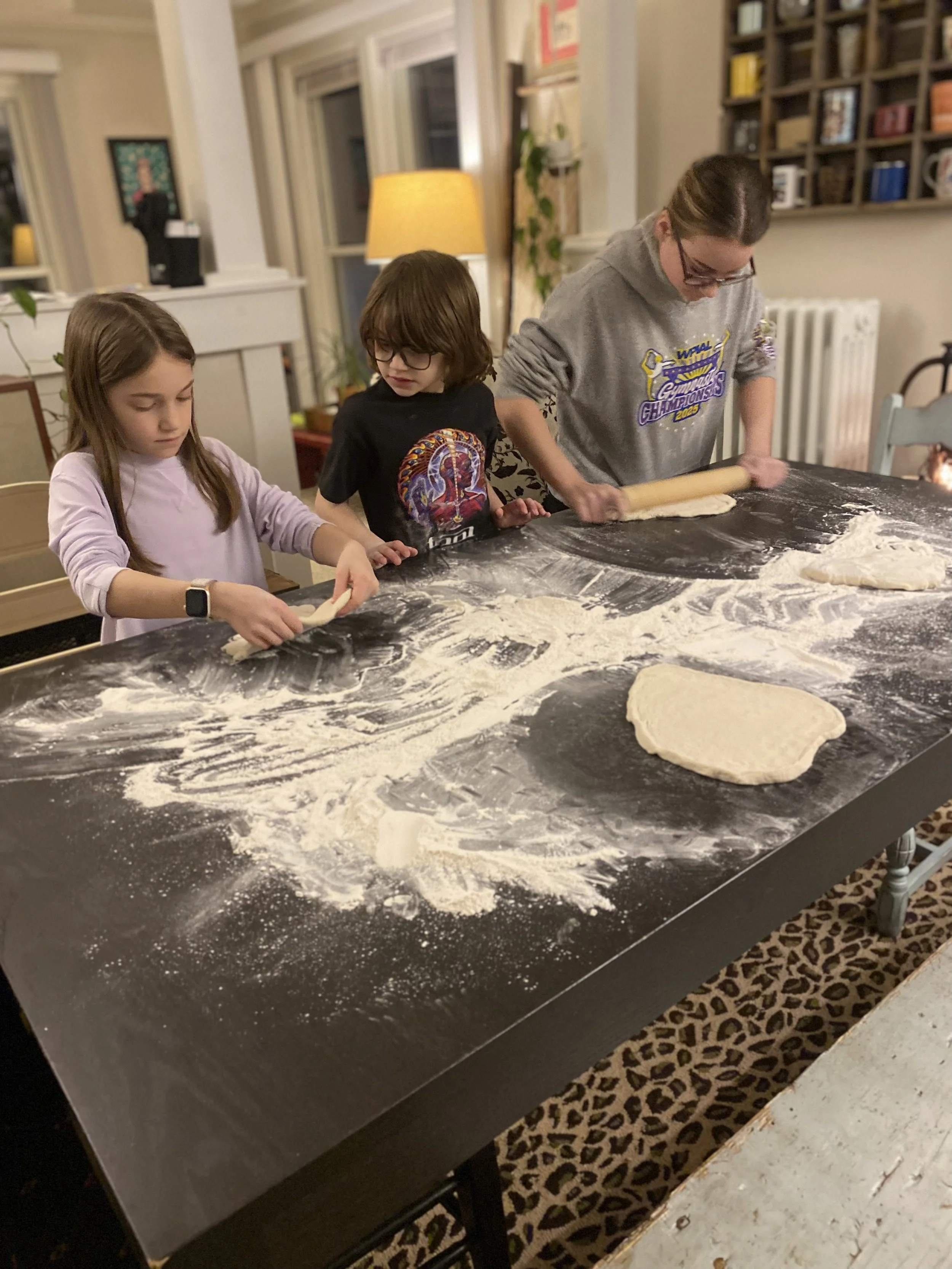
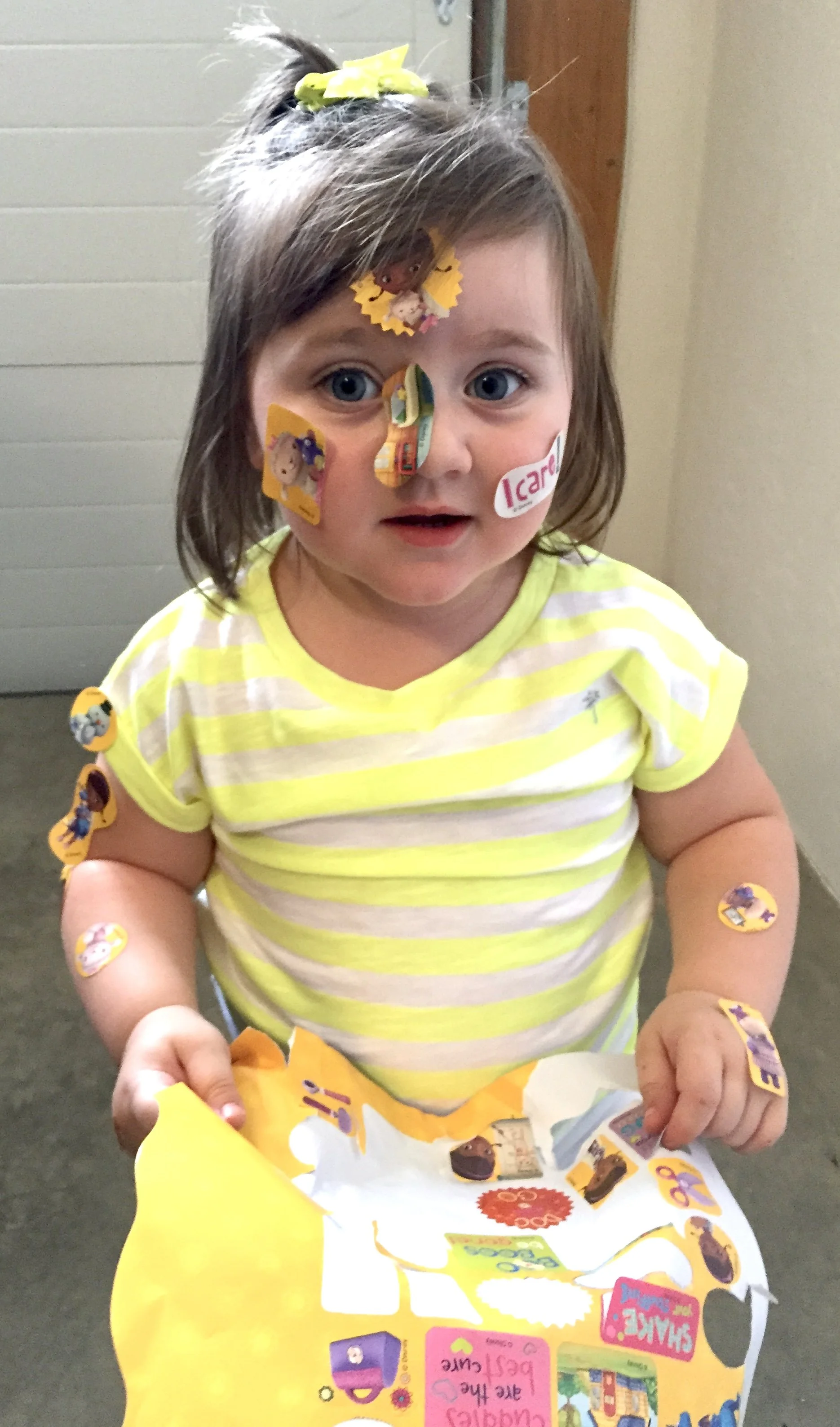
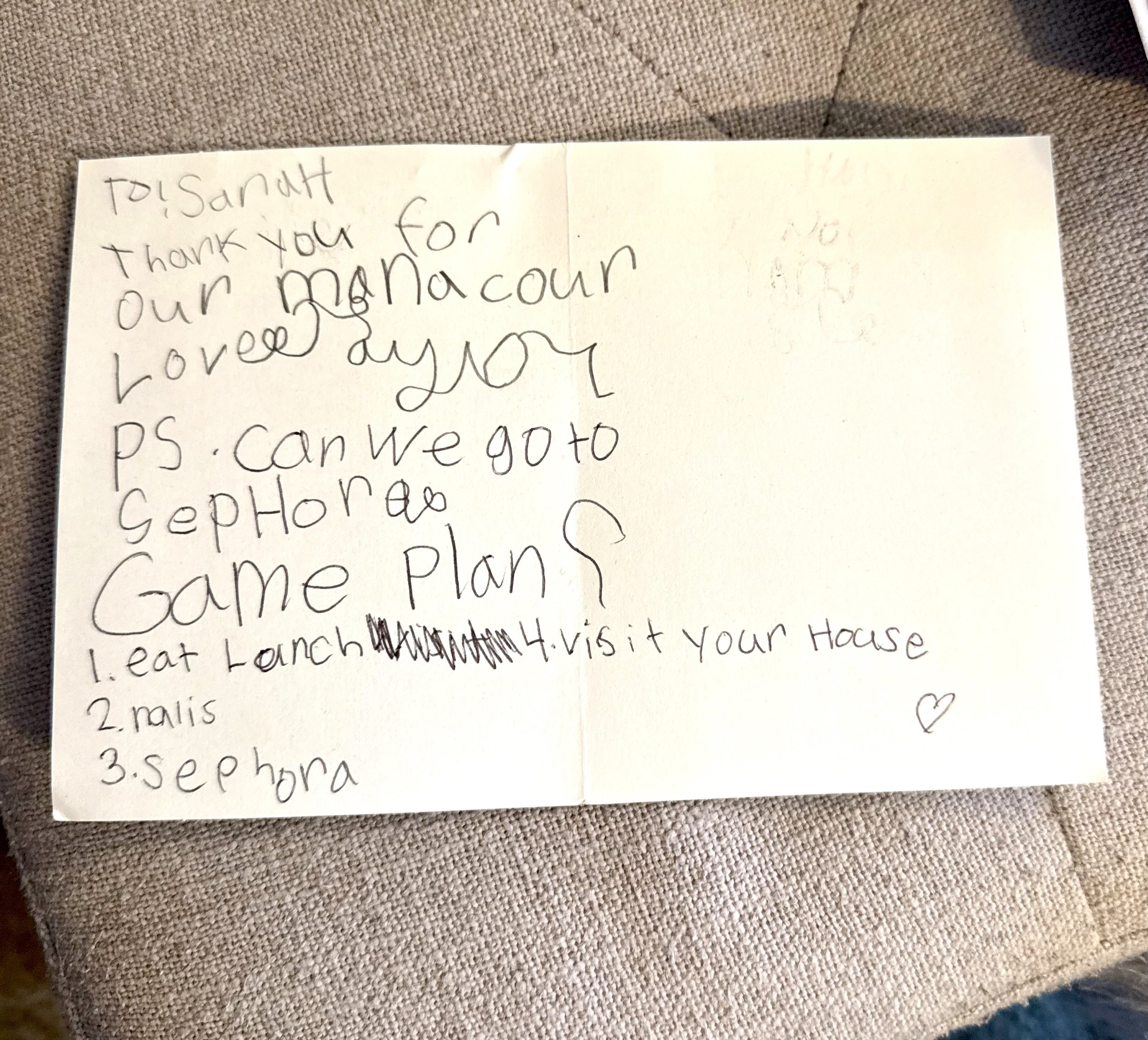
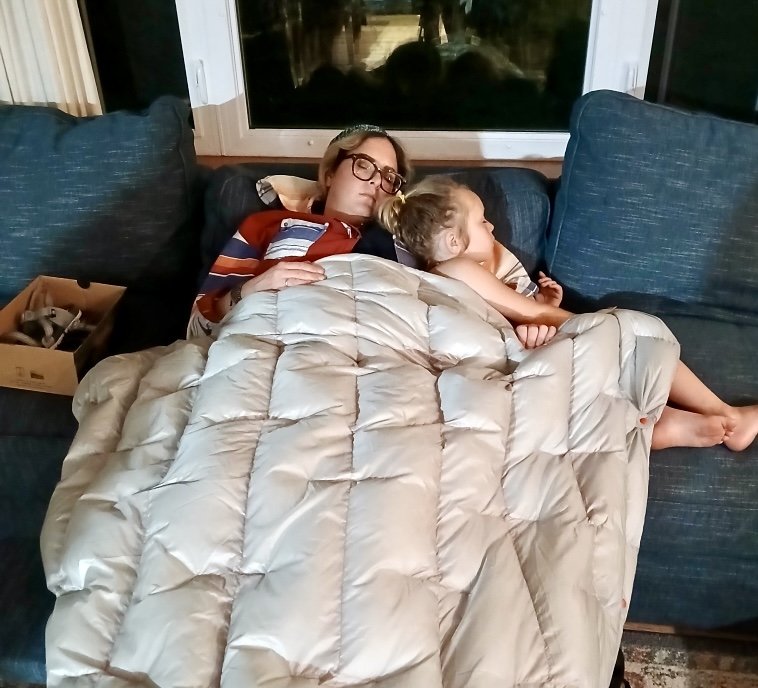
And yes, I do take this job very seriously.
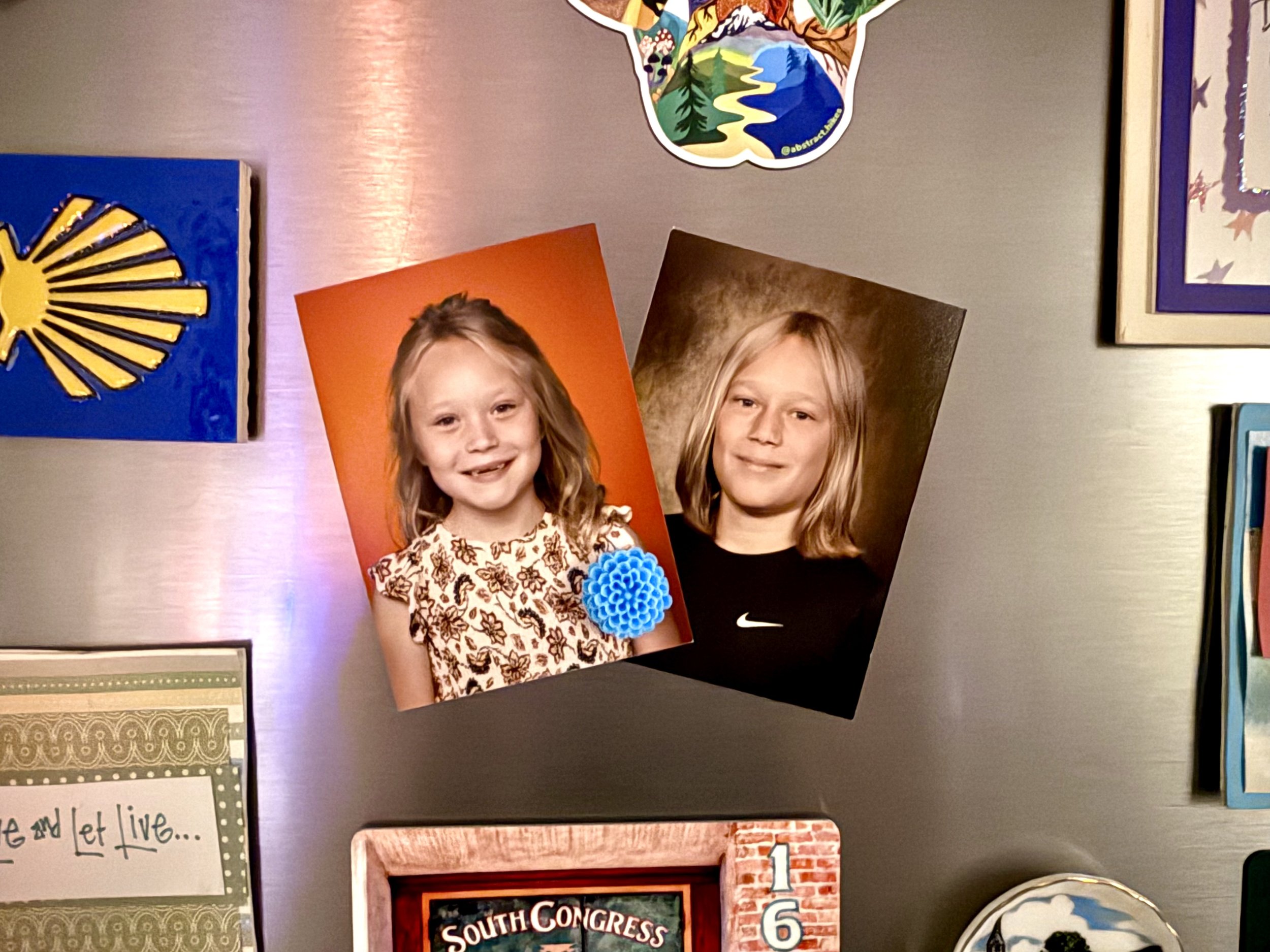
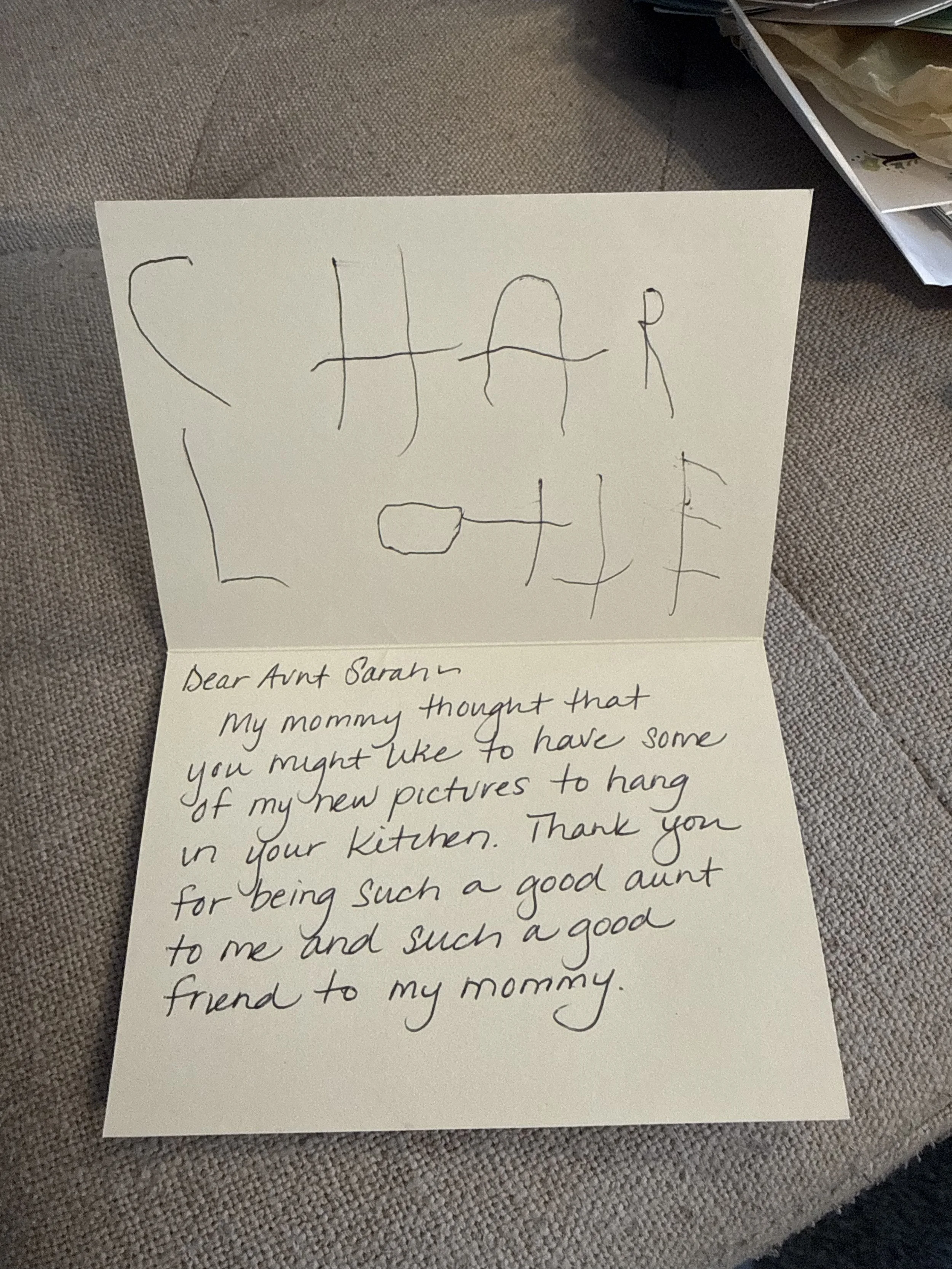
We make homemade pizzas and we paint clay robots. Bake them both in the oven. I braid their hair before I sucker them into back scratches. I want to hear about their Scout projects. And I remind them to brush their teeth. They call me for advice. About boys and cheer squads and homecoming dresses and job promotions. I tell them that it’s completely okay not to go to college if that’s what will make them their happiest as long as they are keeping food on the table and stretching their minds. I tell them to make a life, not a living. And I send them snail mail for their First Holy Communions and sweet sixteens and broken bones. Or for no reason at all. I throw ‘em into my driver’s seat with their learner’s permit, and I hang their Christmas wish lists and their art and their school pictures on my refrigerator with magnets that I’ve collected from around the world. Christmas holds more meaning to me because of them. And they meet me at the airport after I return from a long journey with holder hugs and stories about their fairytales and football matches, the things that I missed while I was away.
“And what if this is all there is? This is all there is.”
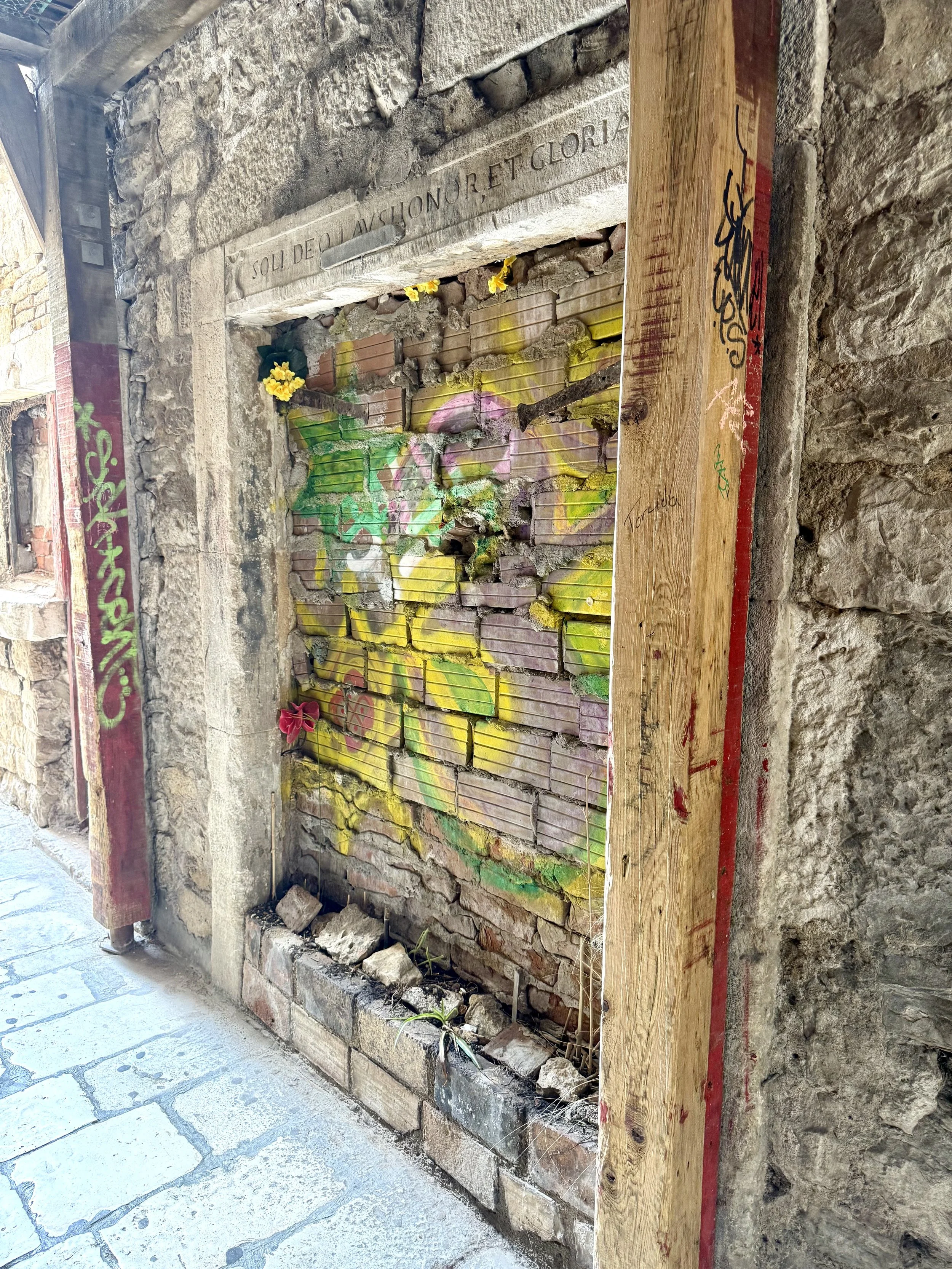
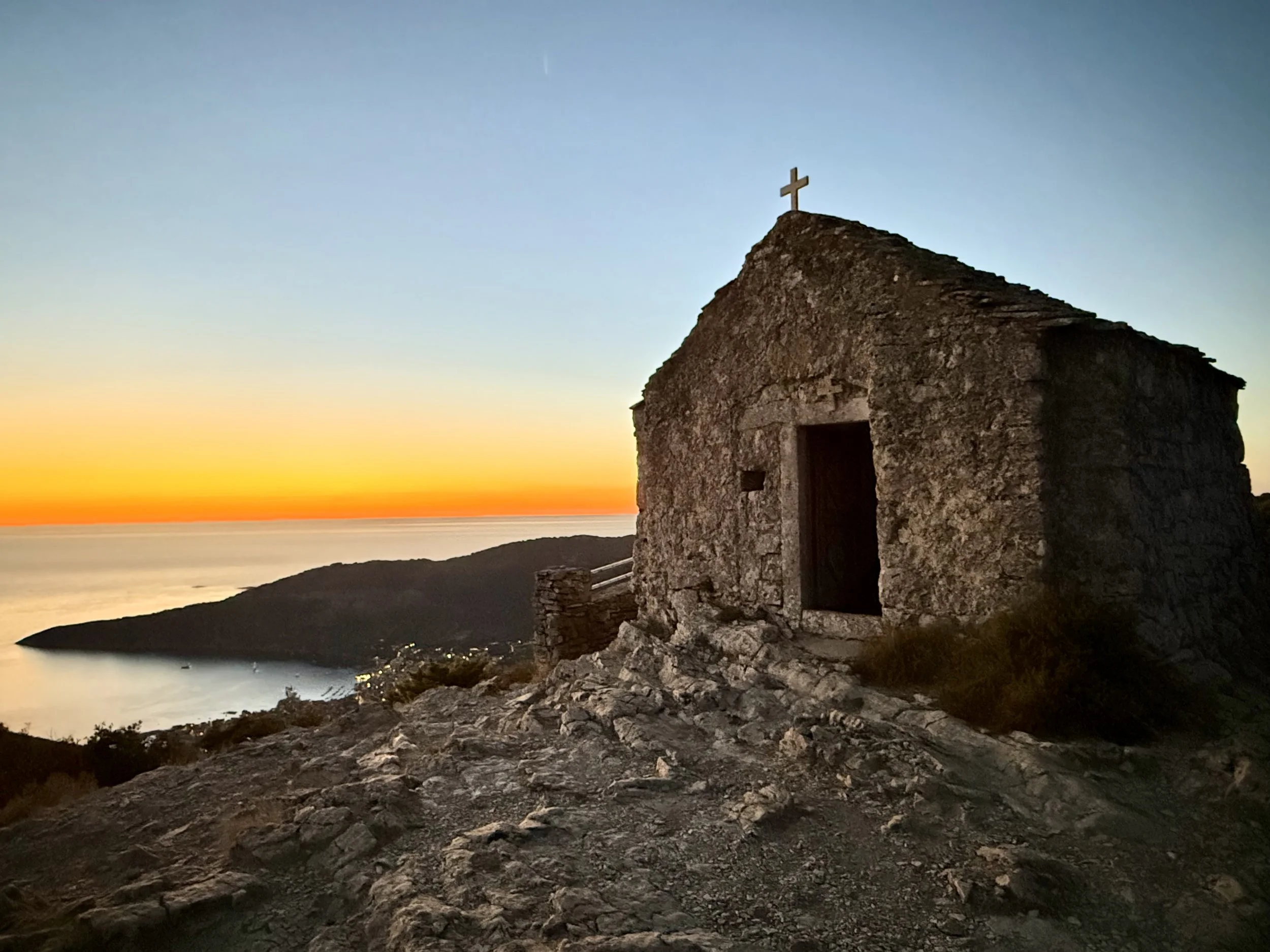
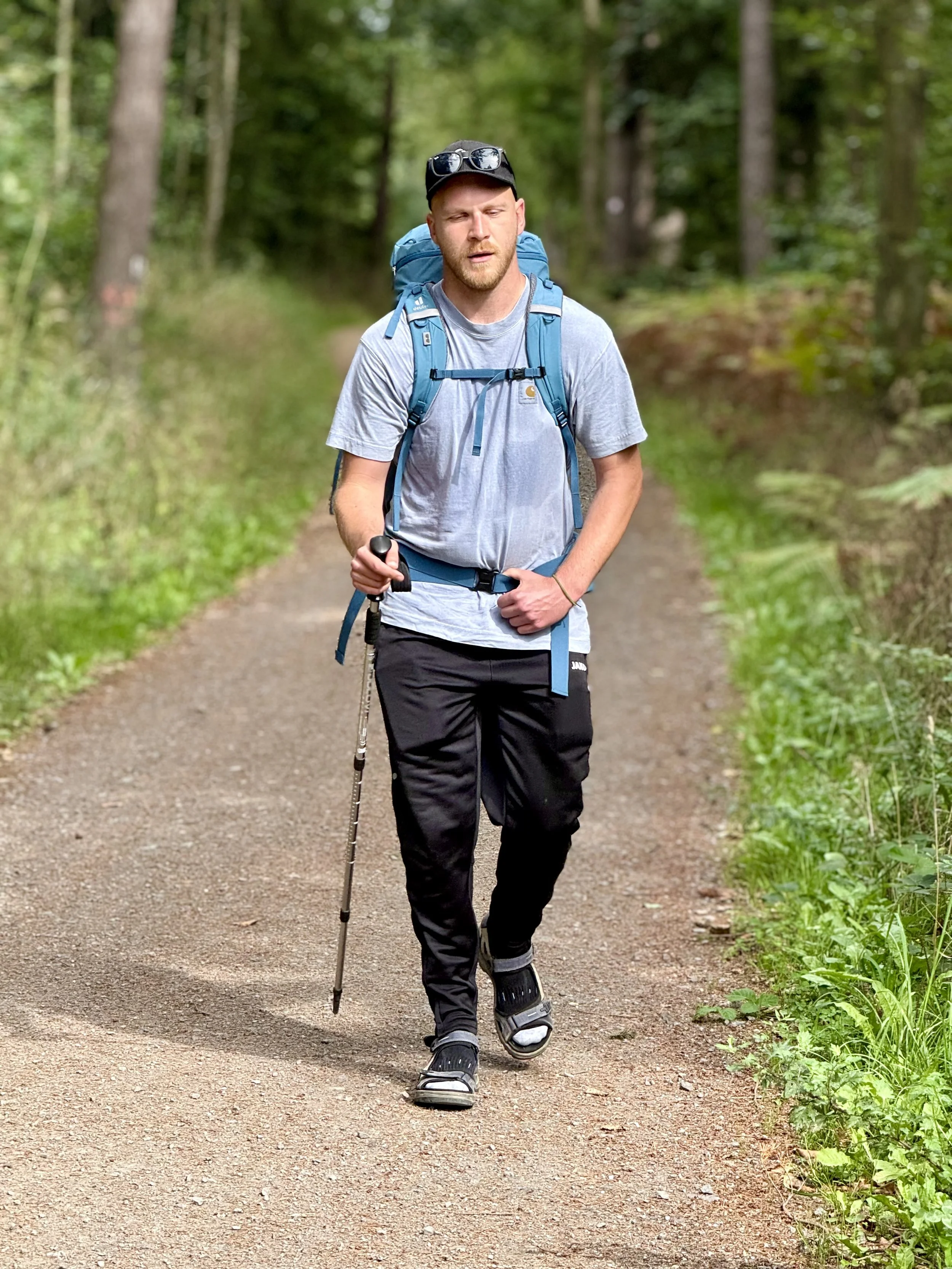
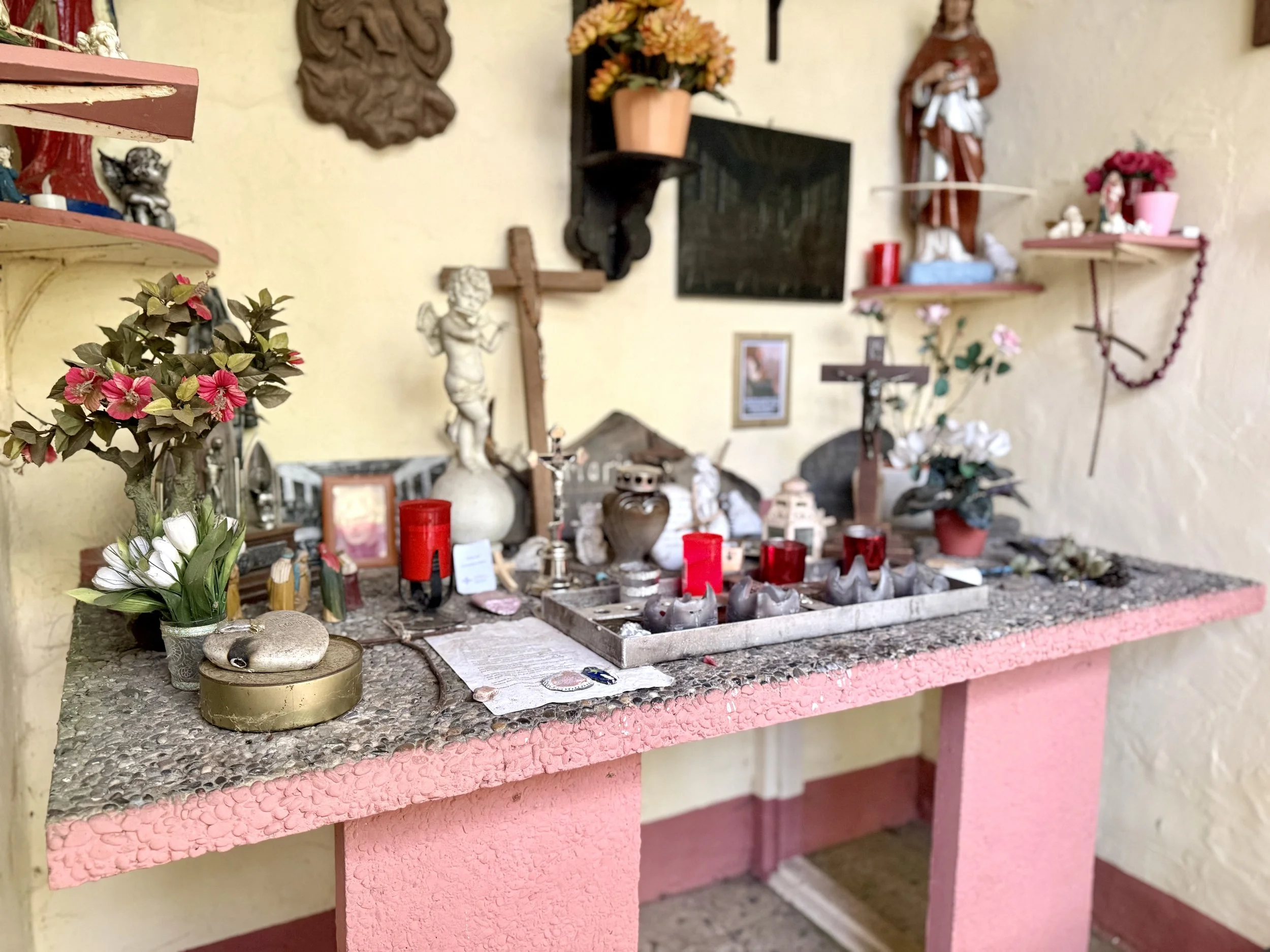
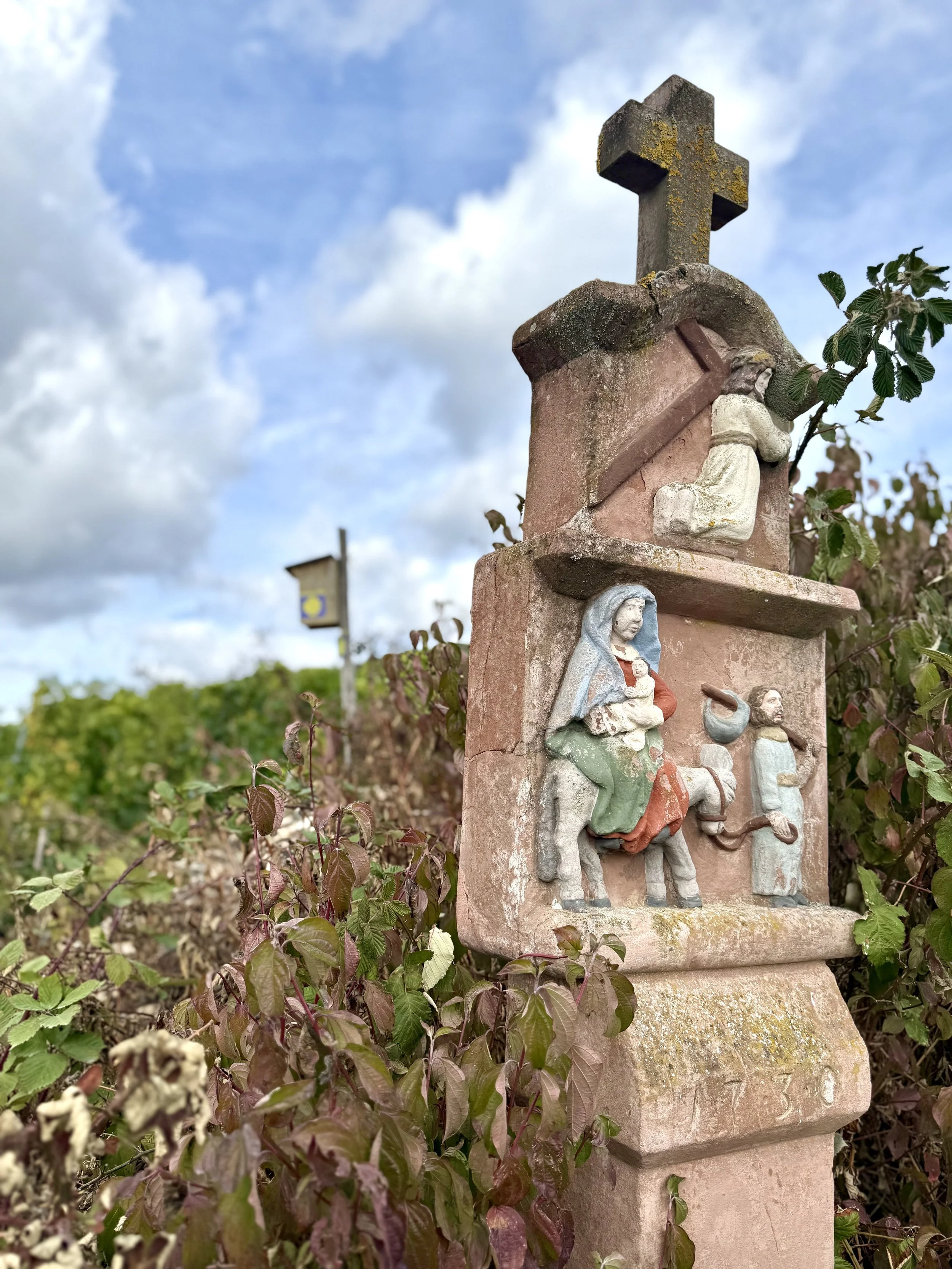
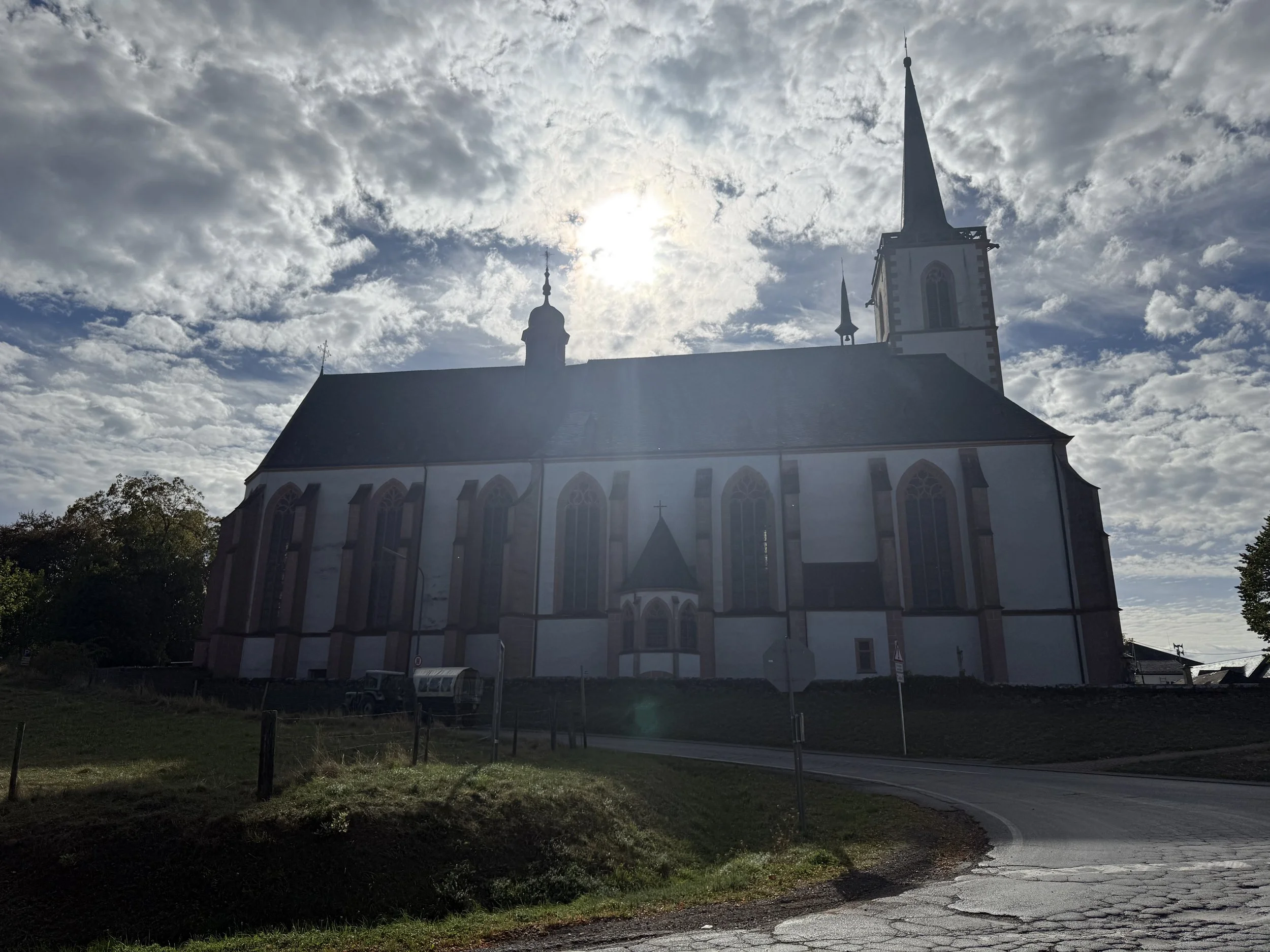
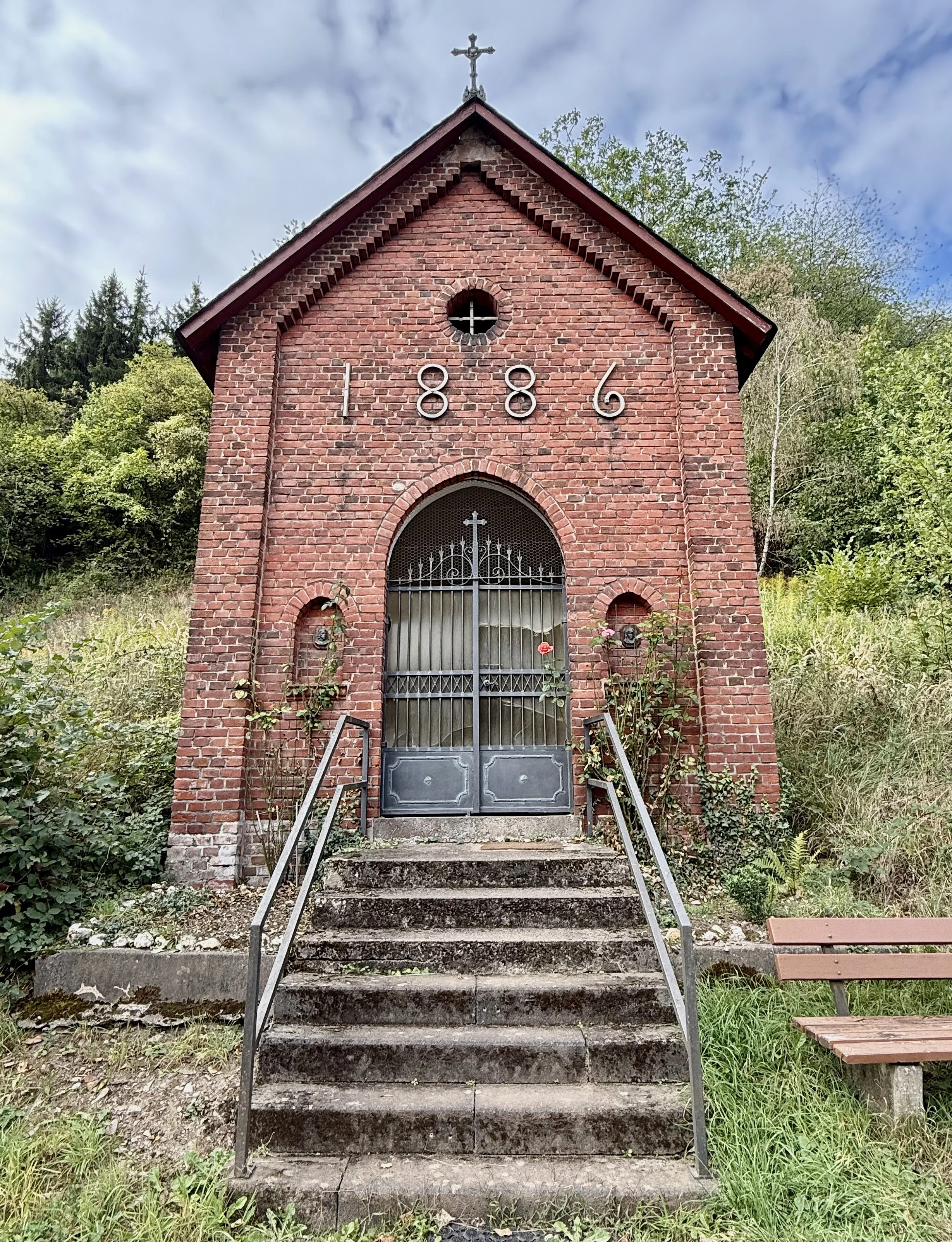
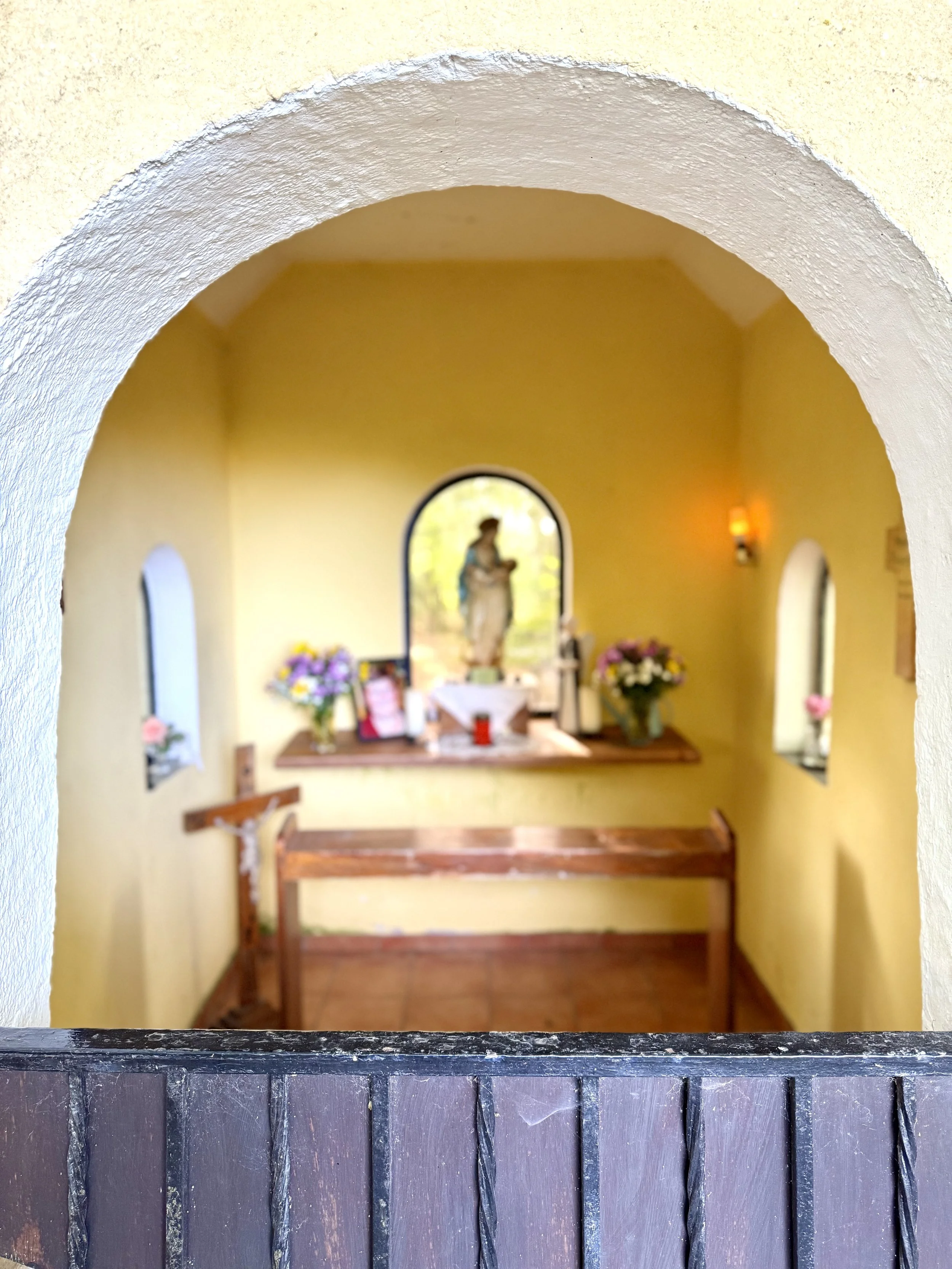
When I found myself tucked deep inside of the Eifel mountains of Western Germany, sitting alone inside of a tiny, little primeval chapel after walking for days- I asked myself exactly how I got there. I was enamored with landing in such a niche spot. So foreign, so far away, so small, and so sacred. And all by myself. Its bricks dated back to 1886 and its pews had only space for eight. Thick rays of September sun forced themselves through a single stained glass window like spotlights on the dust that swirled slowly in the stale air around me.
That, right there, was all there was.
How did I get there from the young girl who clung to her mother’s ankles? From the high school benchwarmer? The thirty-something who needed a handhold to walk to a coffee shop?
How did I manage to morph despite all odds?
I ran my fingers across the wooden backrest of the pew in front of me as I took breath after breath of ancient air. When I opened my eyes, the Blessed Mother was looking over me from the miniature altar, her painted eyes and her porcelain blue robe covered in cobwebs. I imagined whose knees had knelt there before mine. Waiting on a prayer, just like me.
My future chose me.
Your future can only be as creative as your imagination.
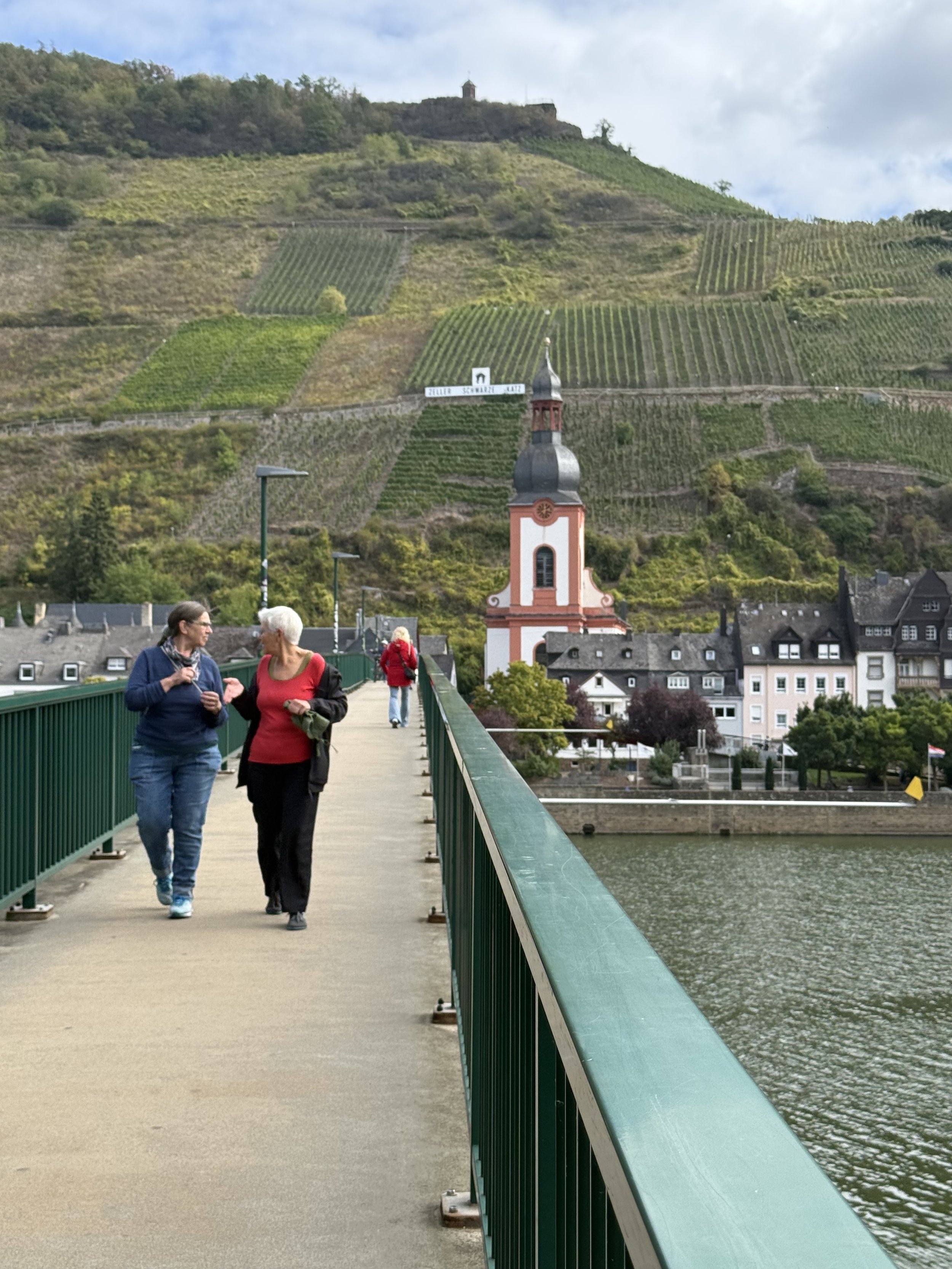
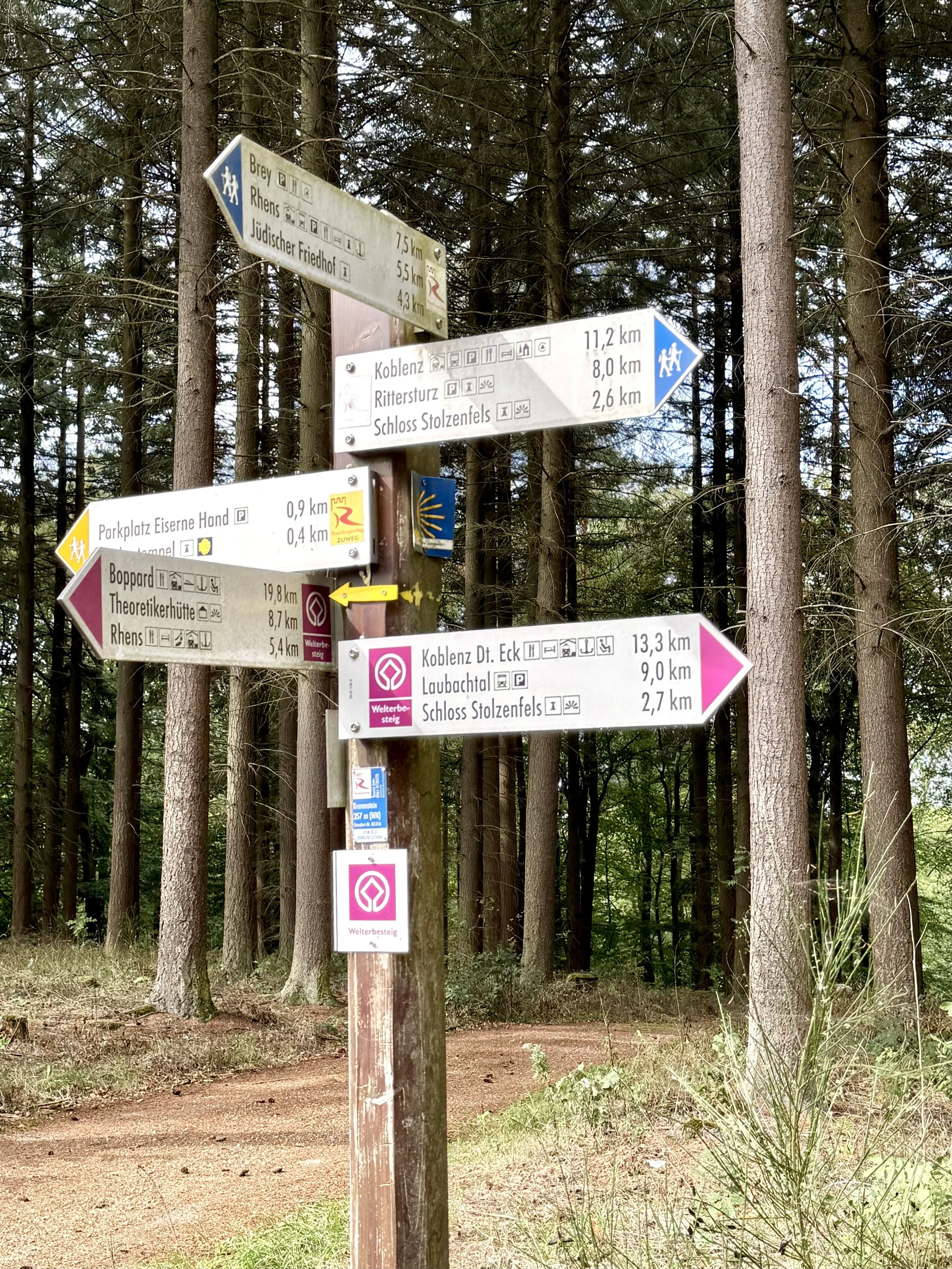
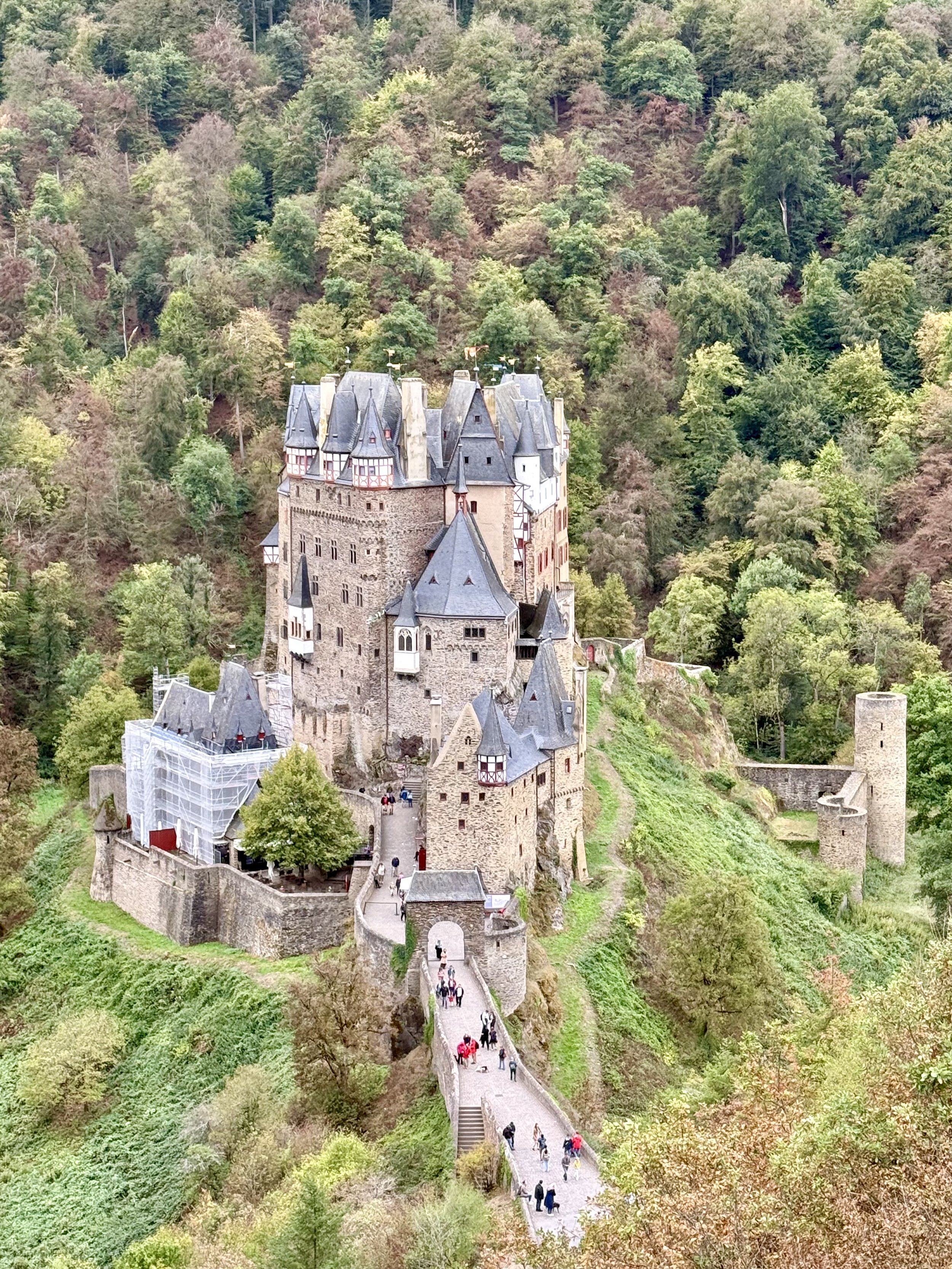
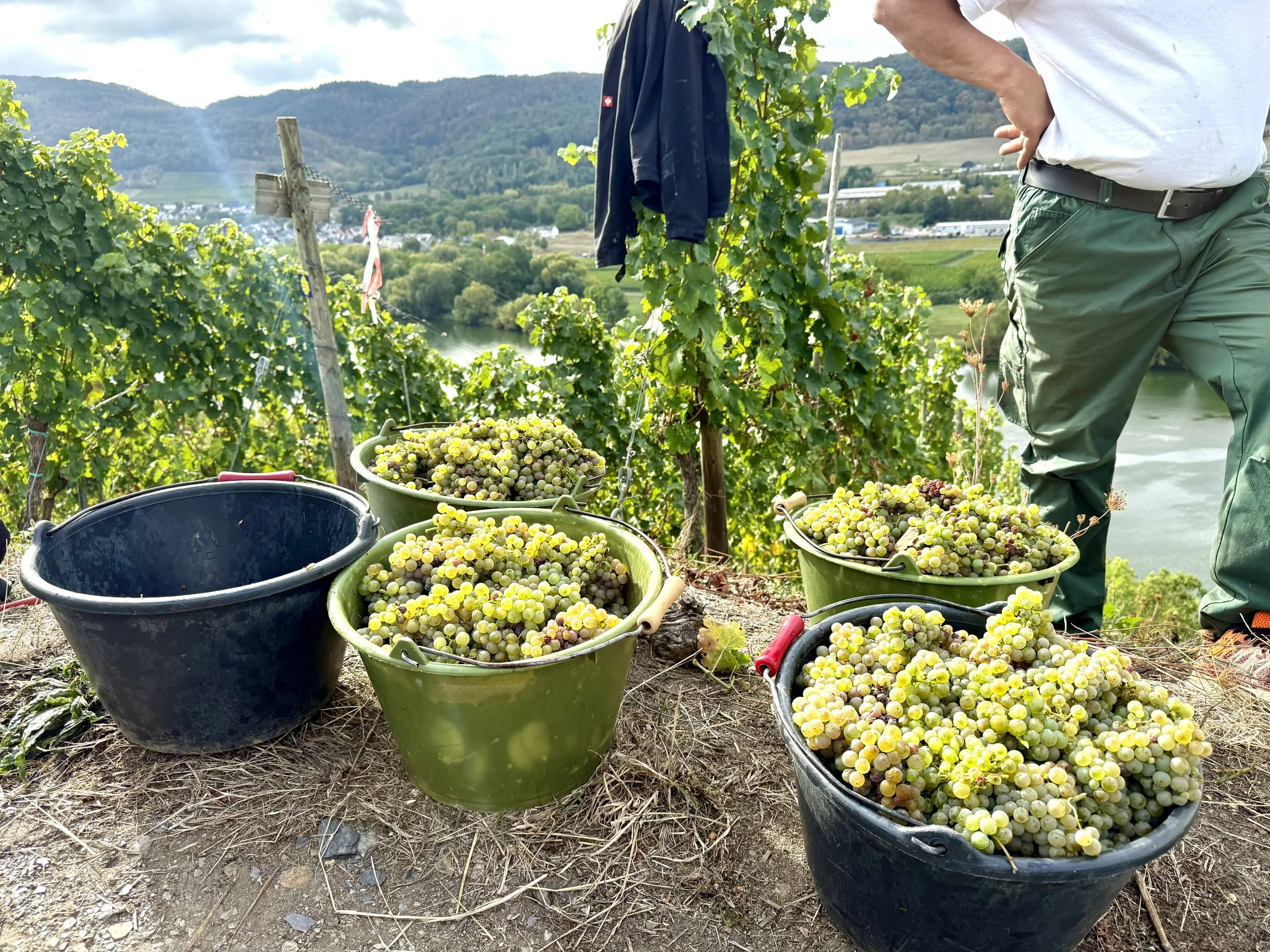
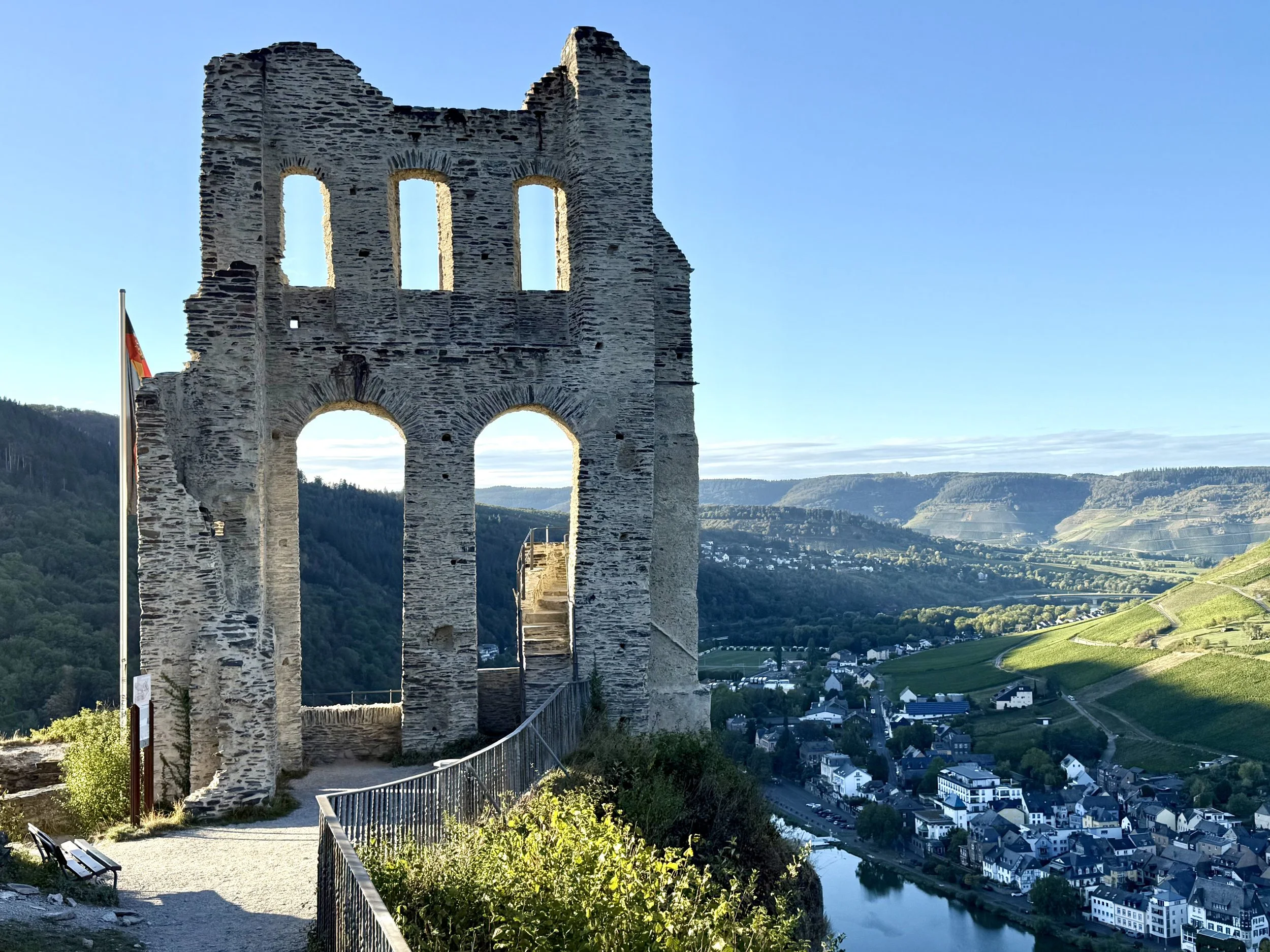
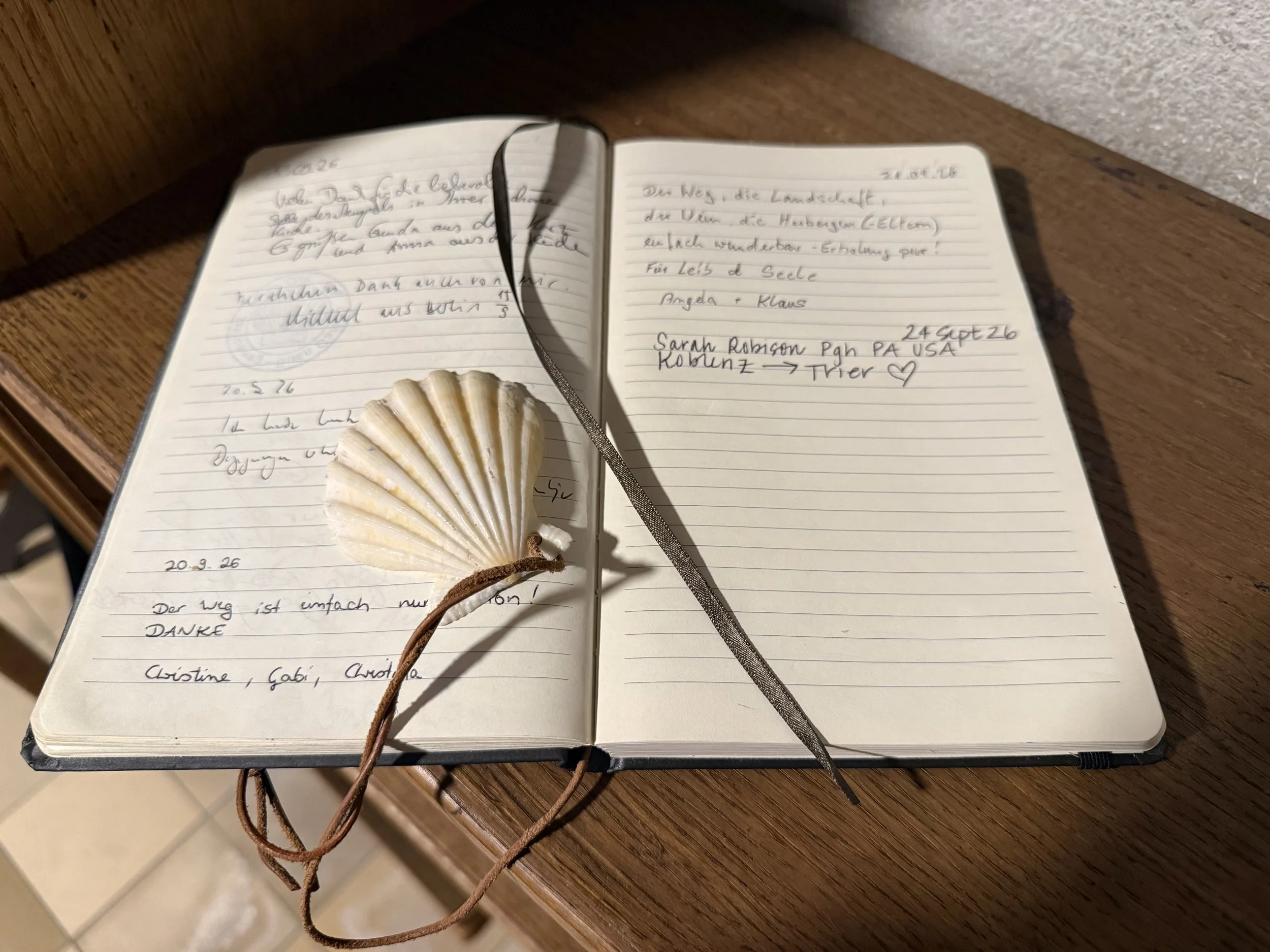
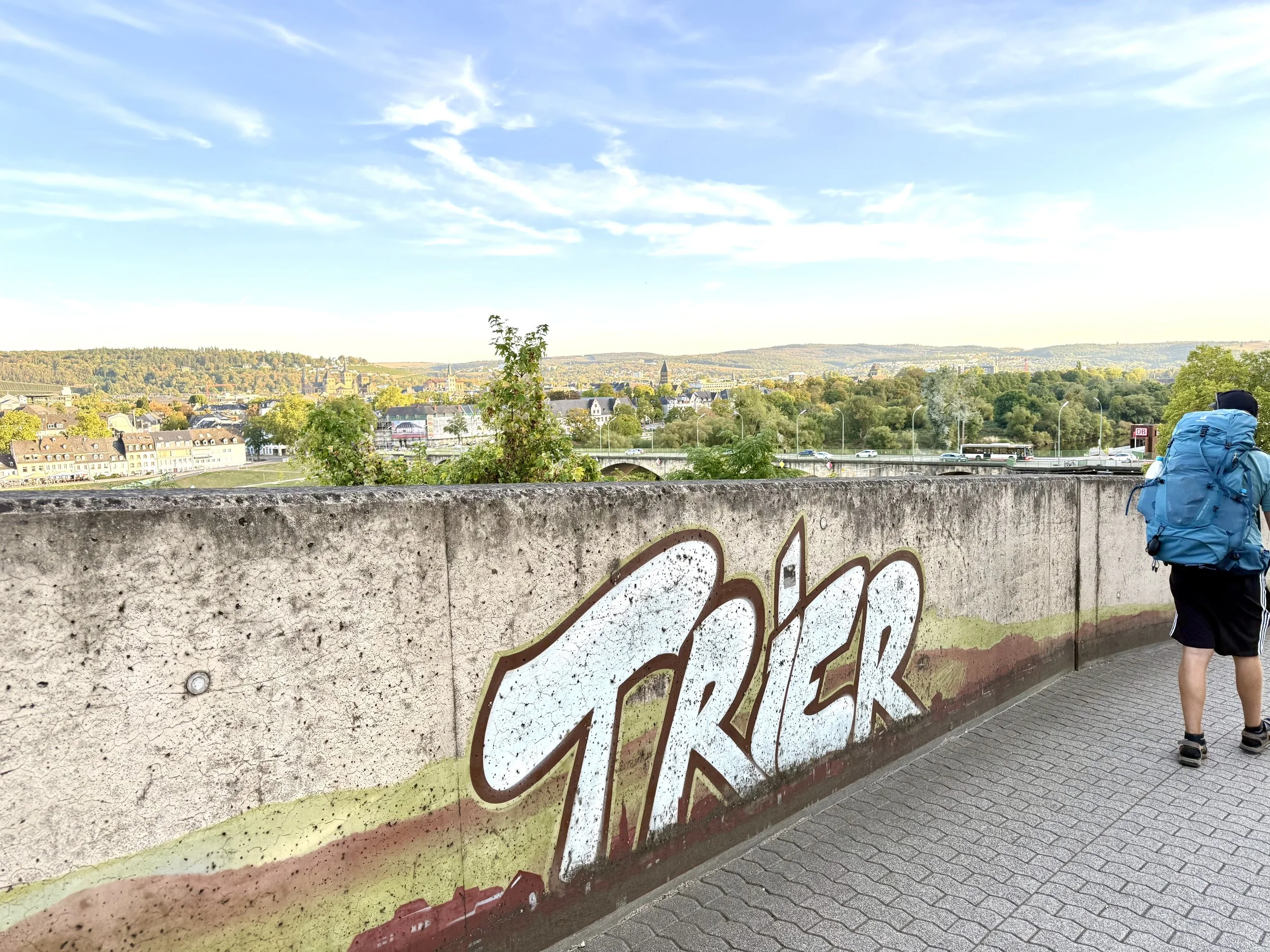
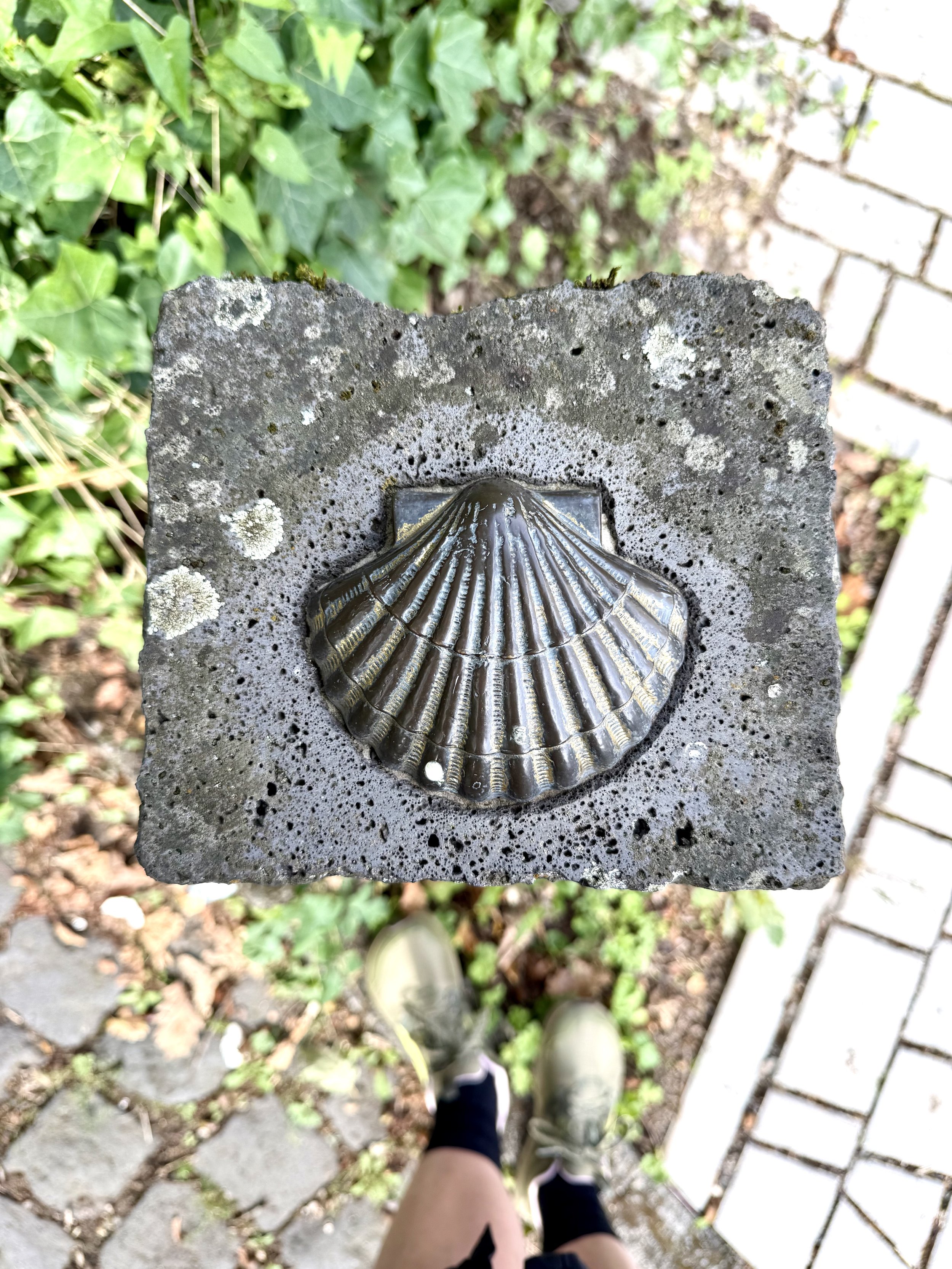
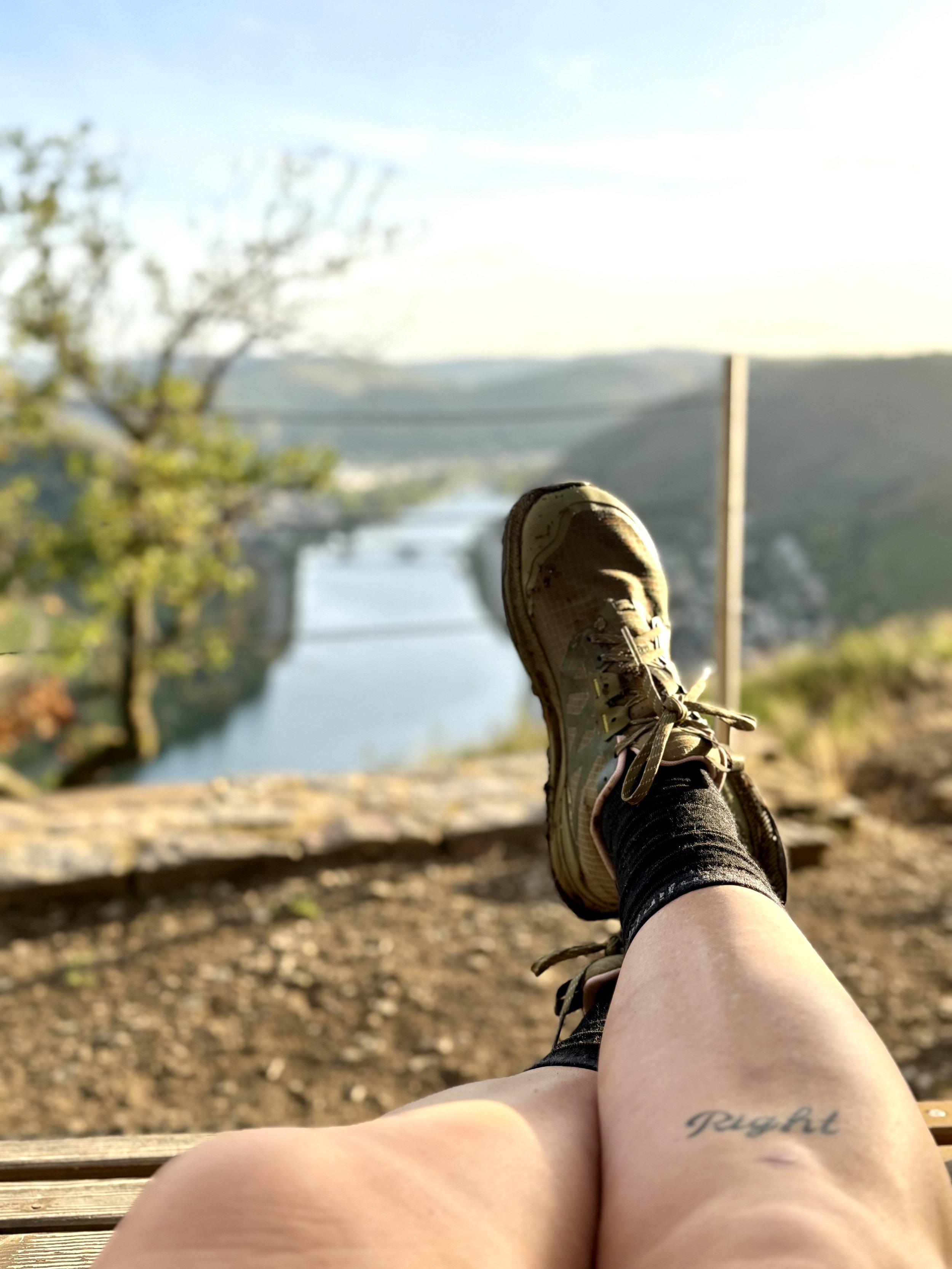
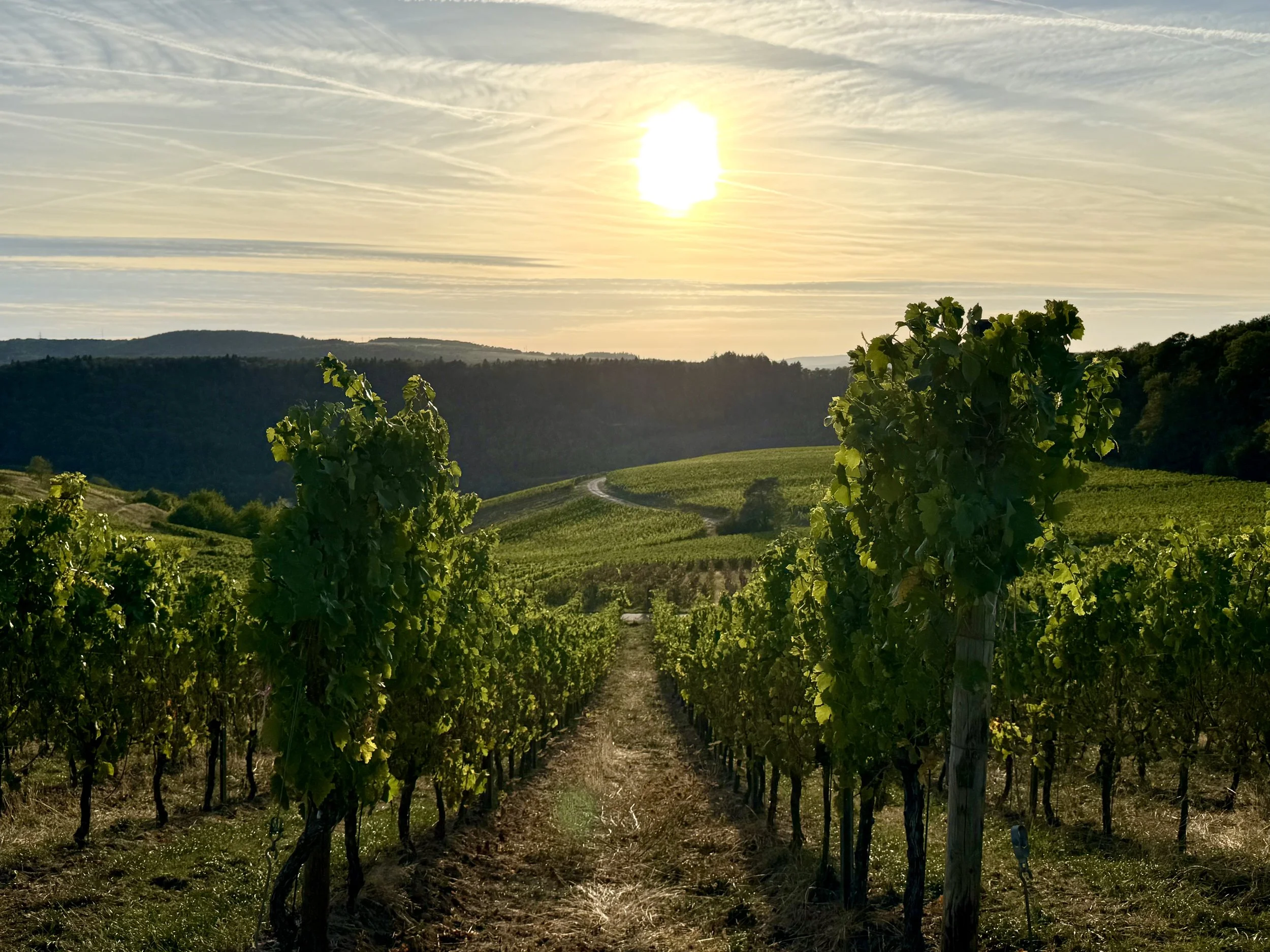
I imagined my way to the Mosel Camino, a walking pilgrimage that winds through Germany, connecting the city of Koblenz to the town of Trier. To the vineyards where scarcity felt simple and options felt like inconveniences. They smelled like jam. Rich, musky, decadent, manurey jam. I inhaled the earth, my surroundings. And its scent sent me light years from life at home. Roots of riesling grape vines twisted through the dirt beneath my steps like labyrinths. Riesling likes the soil and the sun of steep, very steep, south-facing slopes. Just like me. And there was a lot of riesling. So much riesling.
The Mosel was not flat.
And I imagined my way to the man in Klausen who was just doing his day, reading quietly on an old town bench when I was desperately out of water with 13 more kilometers to go. We created our own sign language to compensate for my lack of German until he picked up on my hand gestures enough to fill my plastic bottles from his kitchen sink. I reeked of powdered sugar and Purell. The traveler that the locals may have misunderstood, confusing me for homeless as they sipped on their digestifs and burped their babies.
I imagined myself all of the way to the Line 720. To a bus ride through the foothills of Germany and only after figuring out how to buy my ticket to board from a waiter who only spoke Romanian. From Briedel to Traben-Trarbach, with only a backpack on my lap but with all of the free-will in the world, I found myself a seat on that 720 on a Tuesday afternoon in late September.
And I was so proud of myself for that.
Because public transportation in far away lands is my achilles heel.
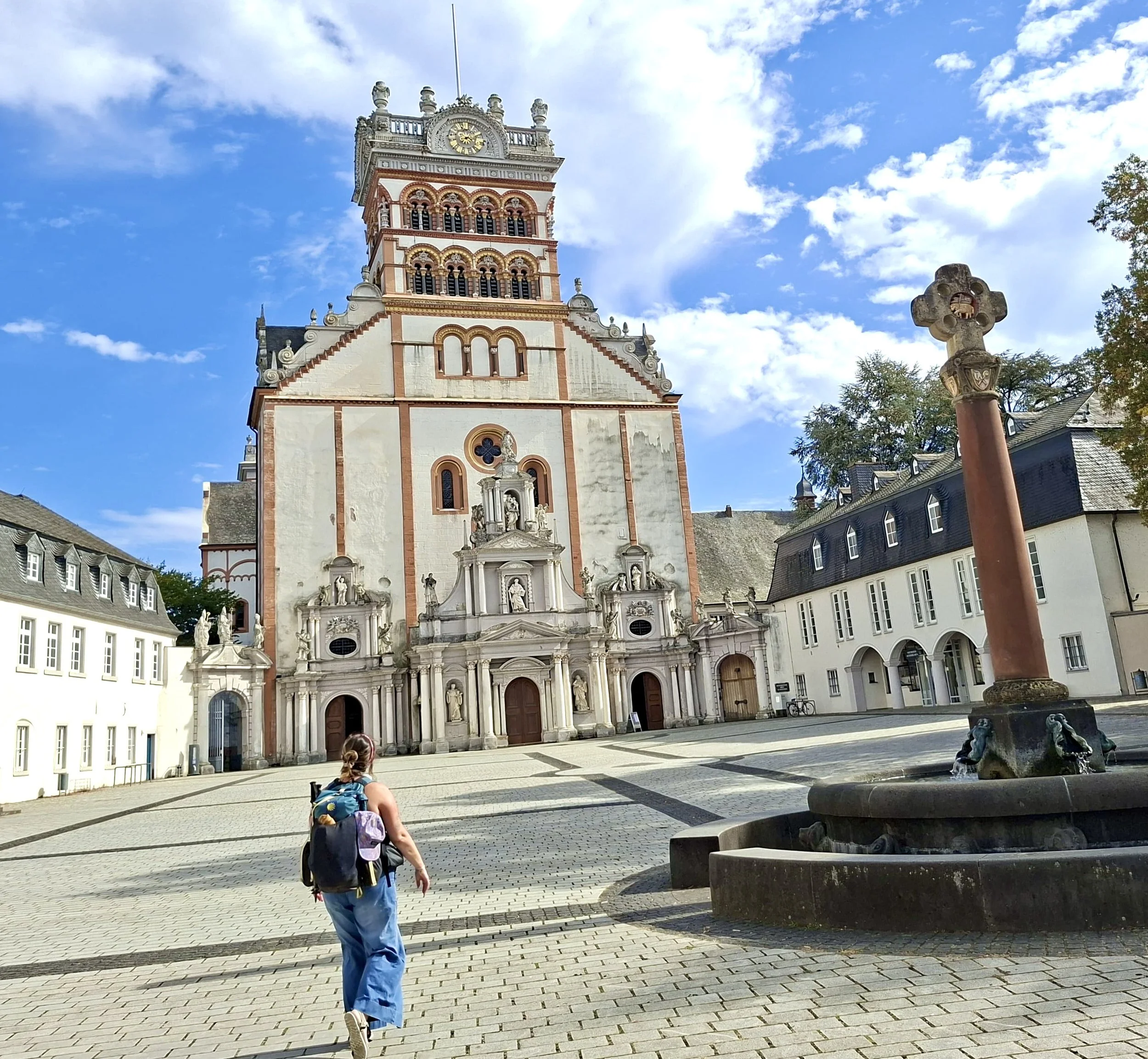
But not as proud as I was for finishing the damn thing. For crossing the finish line, kneeling in the vestibule of St. Matthias’ Abbey, three days after getting myself very lost while attempting the summit of Bummkopf. And only after shitting my pants on a bridge crossing while hiking out of Bullay and removing said pants with my pocket knife to keep my legs clean. After I bushwhacked down the face of the Wilhelmshöhe path towards the sound of traffic and nothing else. After landing on Bundesstraße 53’s highway, full of fast moving cars traveling in both directions, with tears in my eyes and twigs in my hair and ultimately to the bus stop that served the 720.
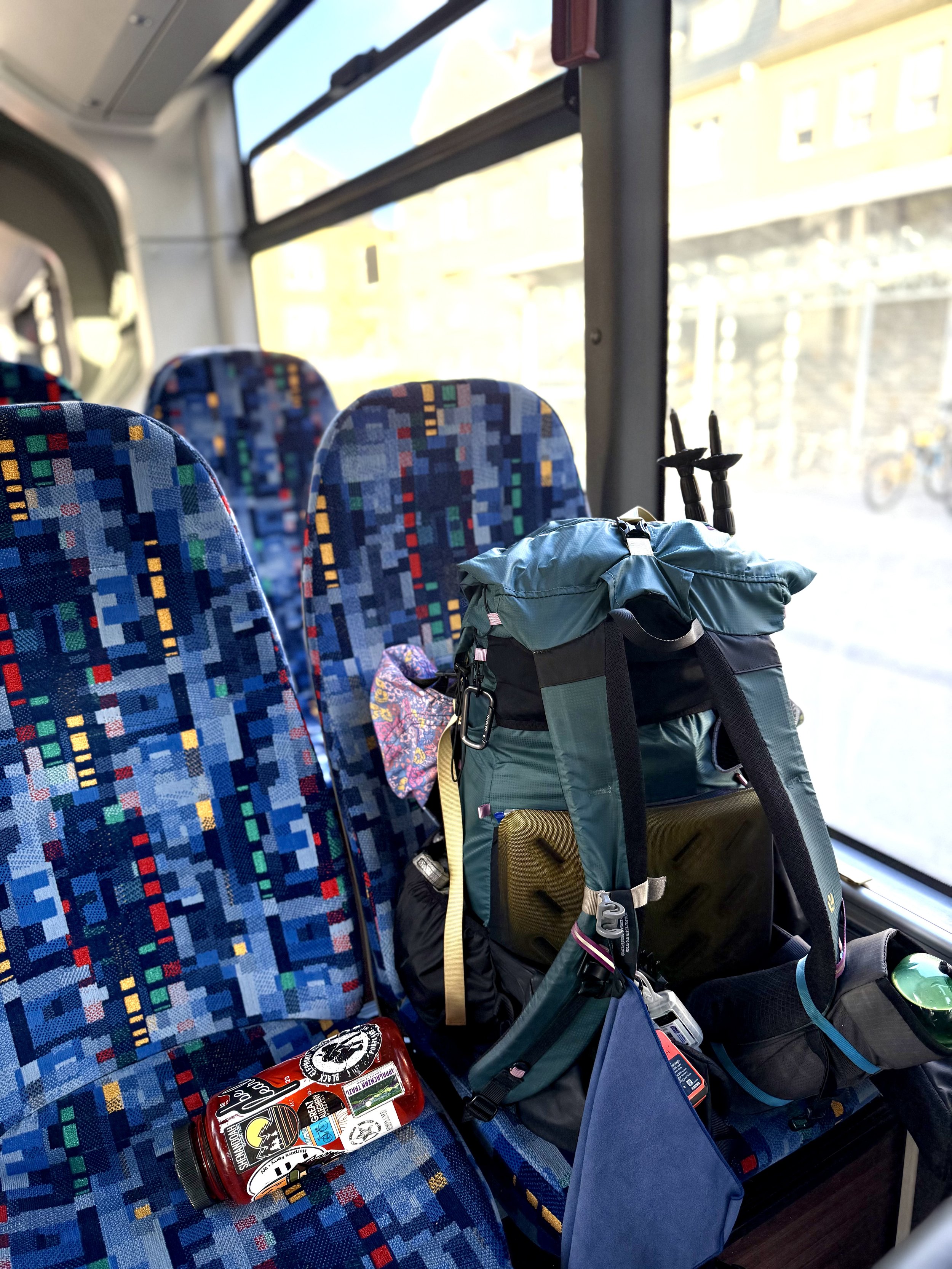
And all without holding onto my mother’s ankles.
The Mosel wasn’t “New Hampshire” hard, but it was “North Georgia” hard. It was a far cry from my longest, but its 180 kilometers challenged me in ways that I haven’t been before. It wasn’t its length, it was its lesson. The Mosel Camino reawakened my mind and my body to their capabilities. To my insistence on finishing what I start, in purism.
Trail legs never die.
And neither does fortitude. I still know when it is safest to turn around and how to go without. Hiding bread in my dinner napkin so that I had something to eat for lunch the next day and hiking with a headlamp into Bernkastel-Kues under moonlight and afraid.
But a Camino is not a Ca-mah-no.
The Camino Francés was romantic. Spain was colorful and flowery, and it was made of Mediterranean and terra cotta. But Germany, Germany was strong and stoic, exacting. Germany was made of iron and wine. And if you wanted to beat her, you had to join her. And stay married to her even after pooping your pants.
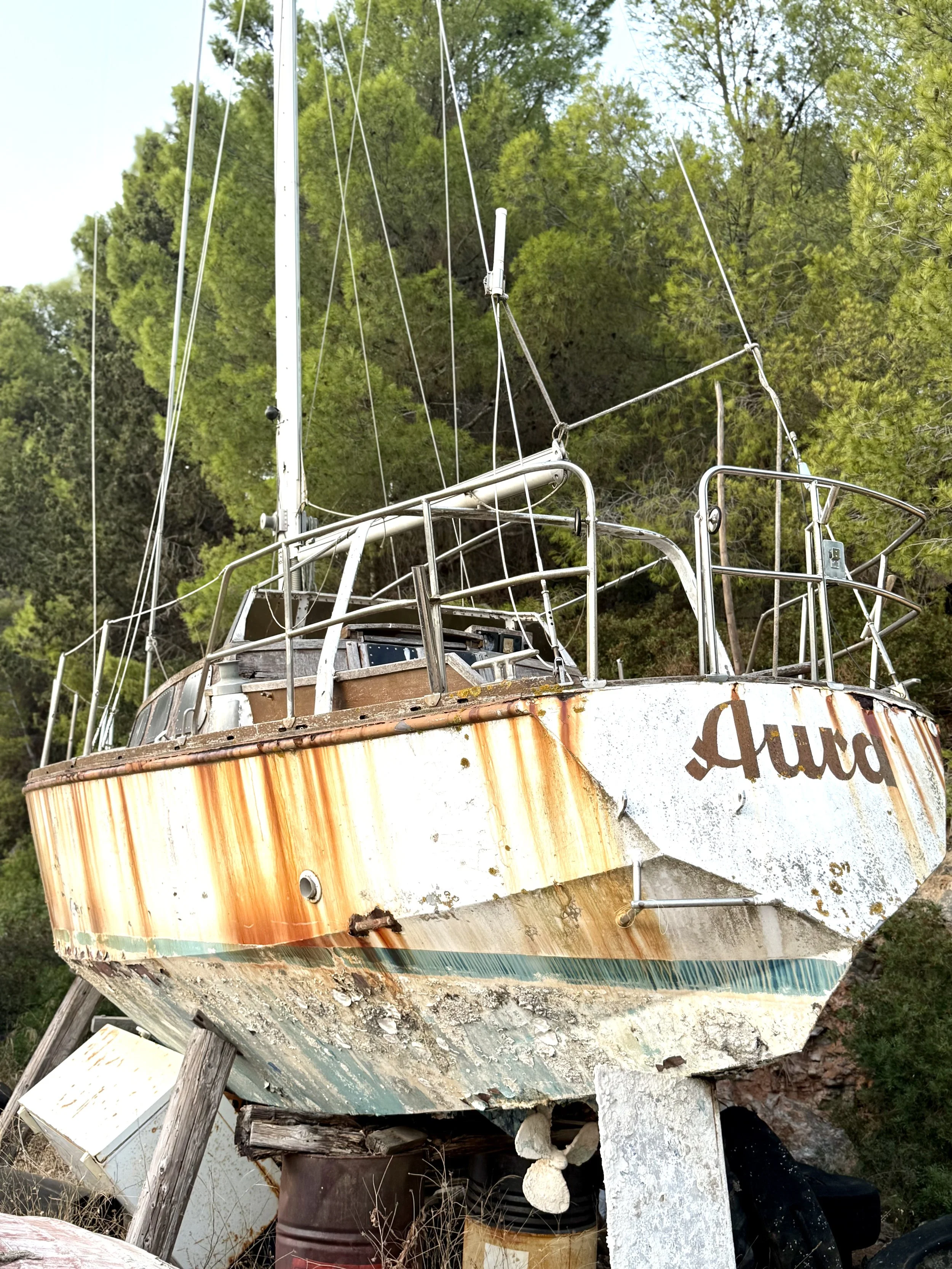
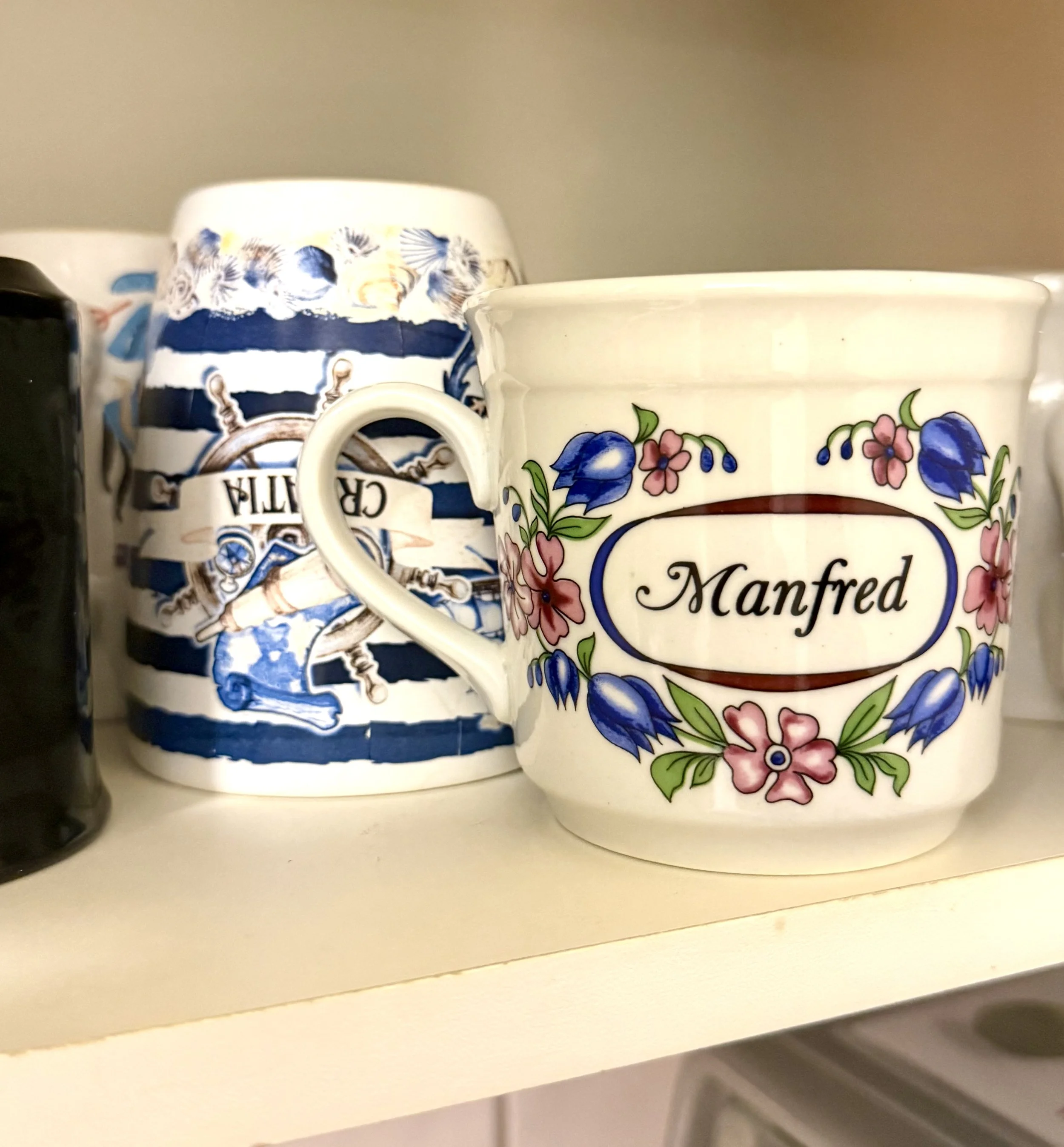
And I imagined myself all of the way to the island of Vis. Because the Francés brought Falk and Falk’s Grandfather immigrated to Croatia from Germany forty years ago. Manfred sailed across the Adriatic Sea by himself on a boat that he built with his own two hands. He named her Aura. And next, he built himself a home made of mortar and stone on the beach, and Falk invited me there this summer.
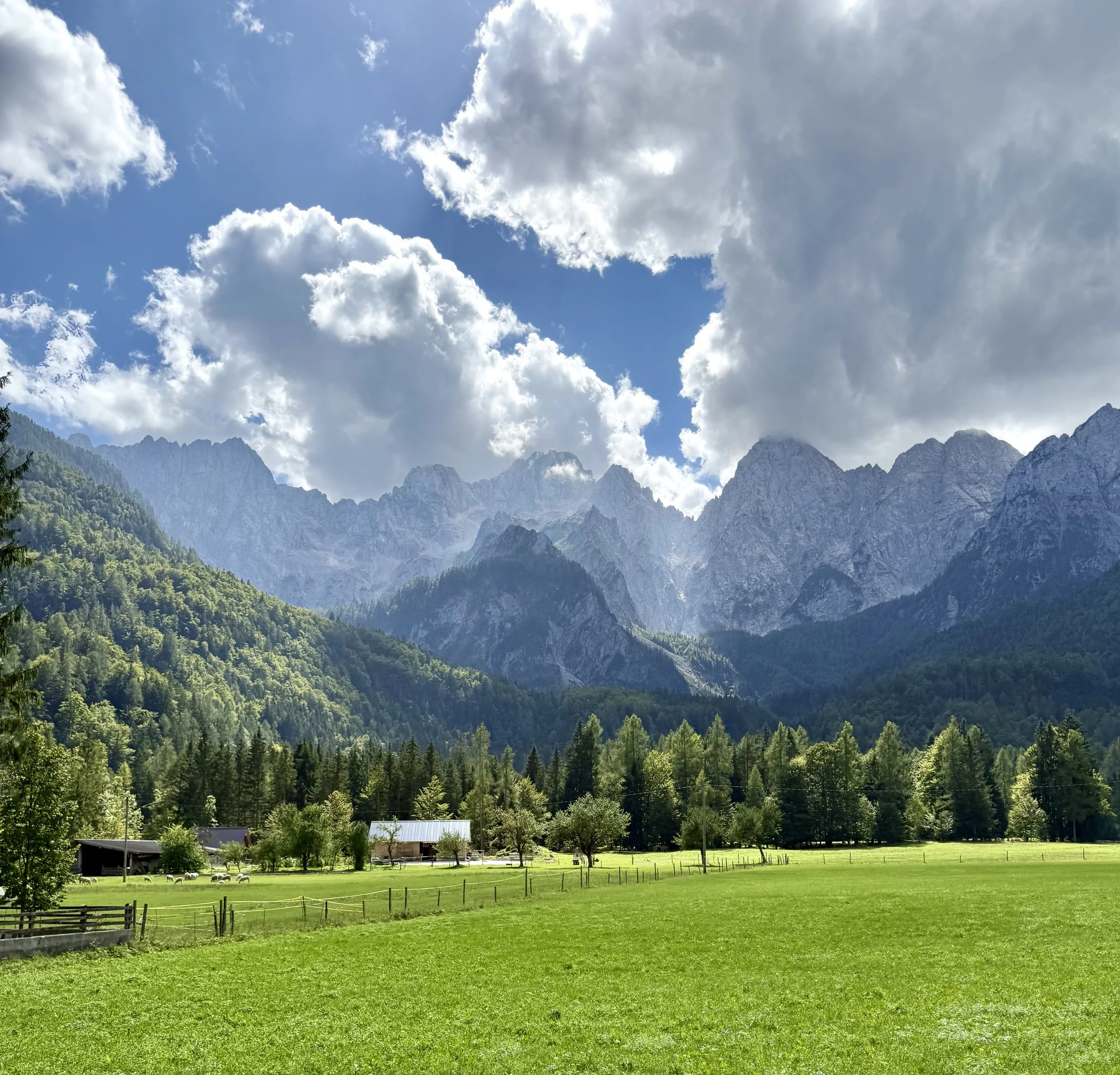
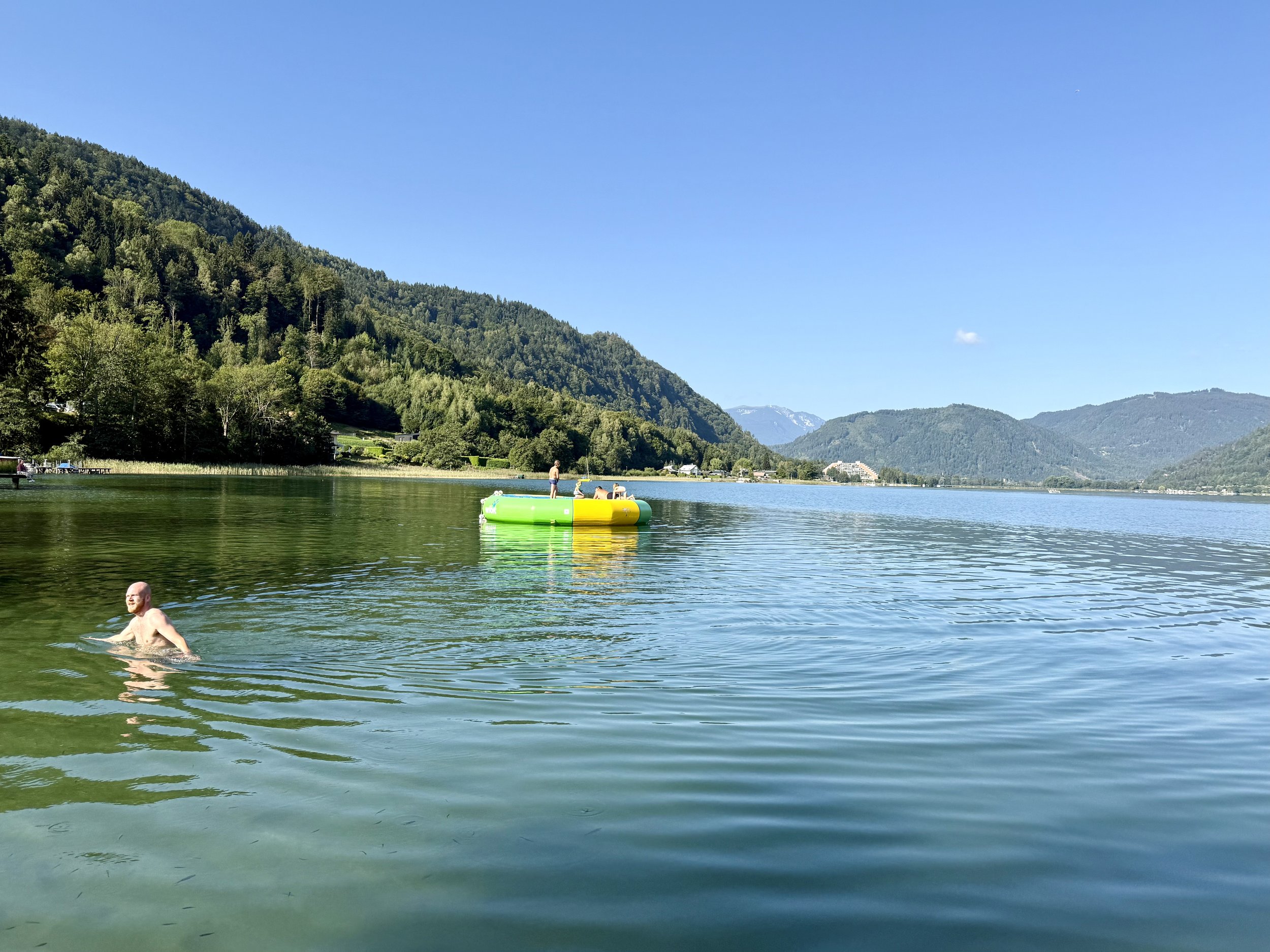
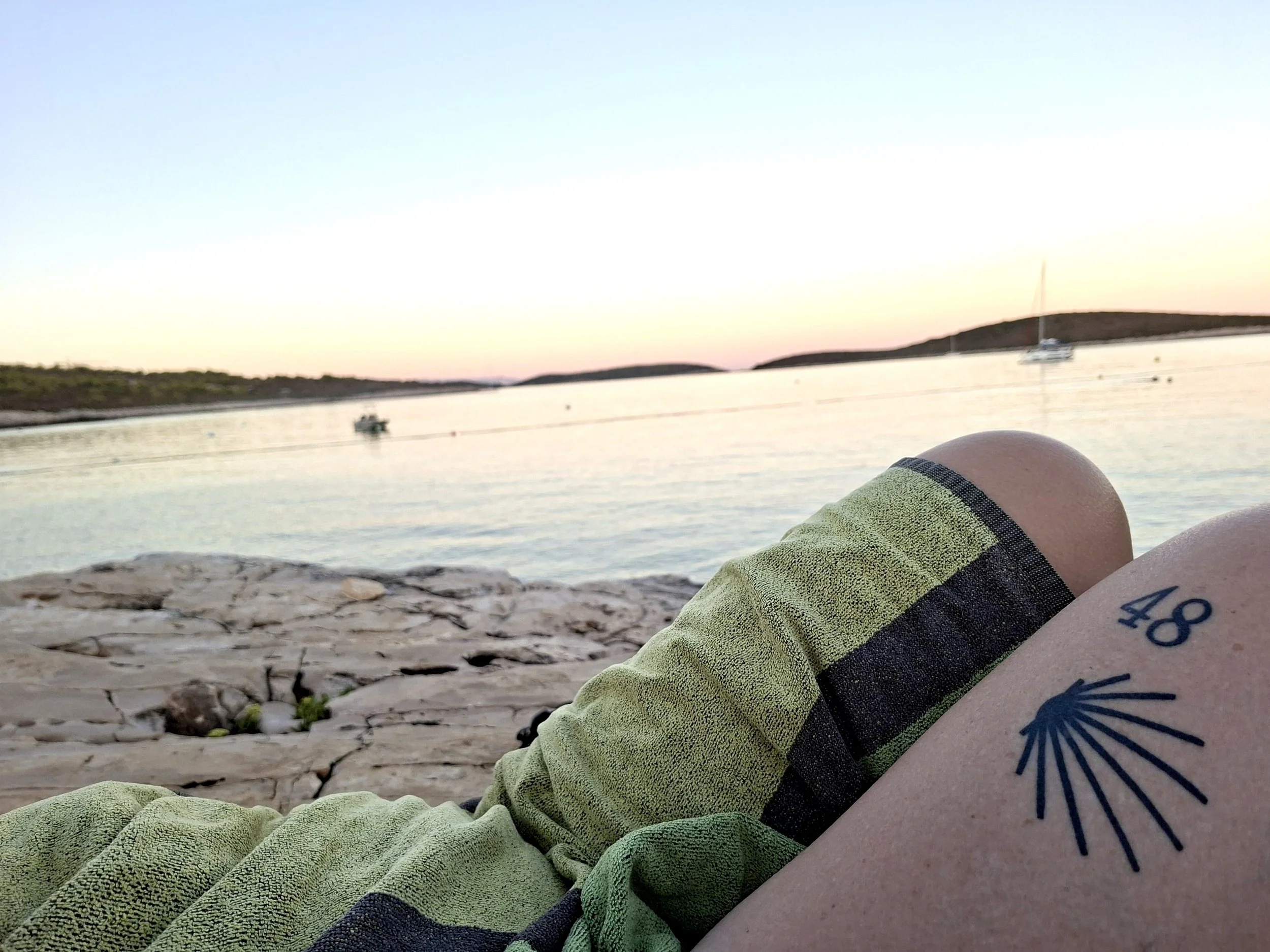
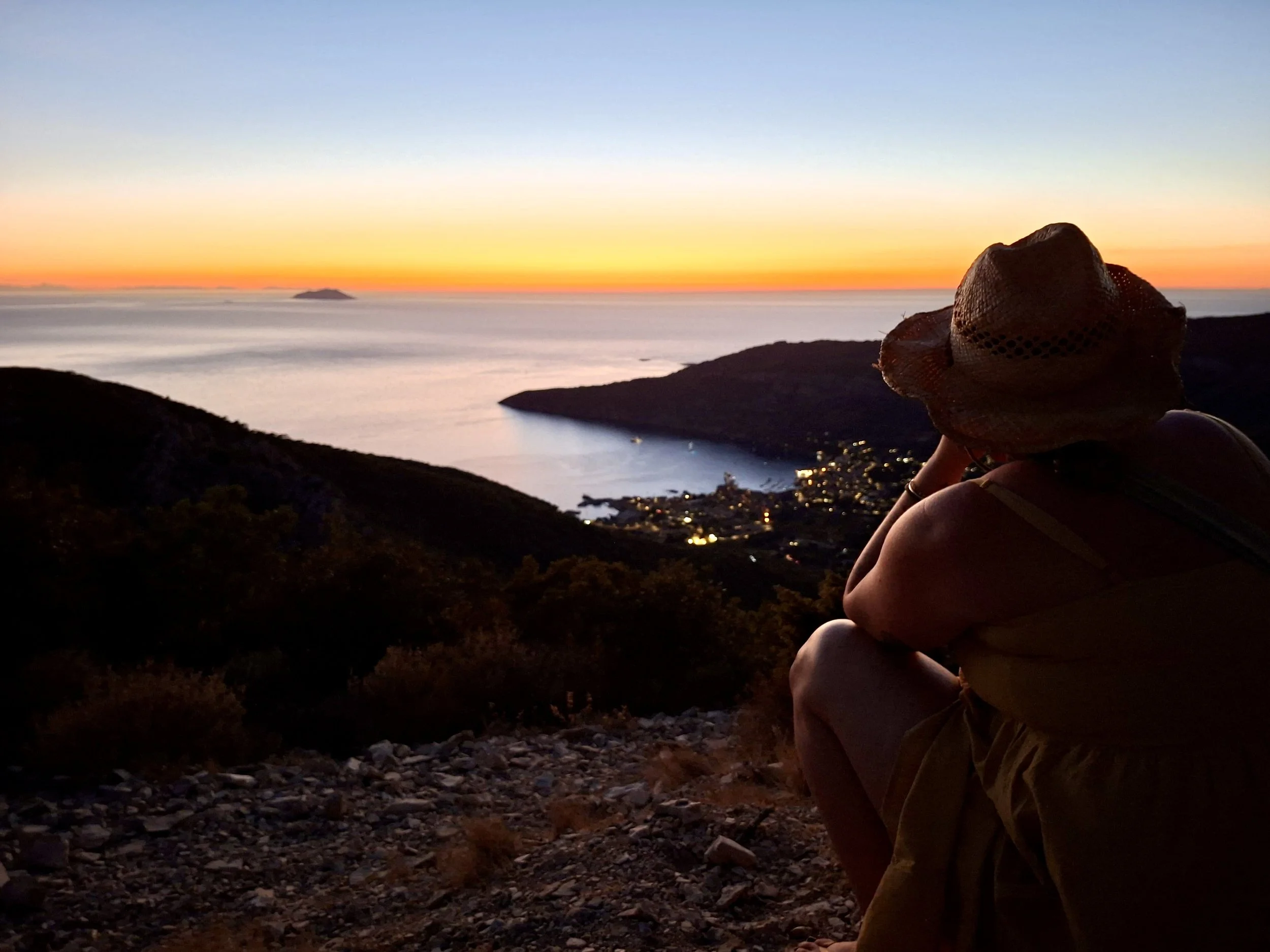
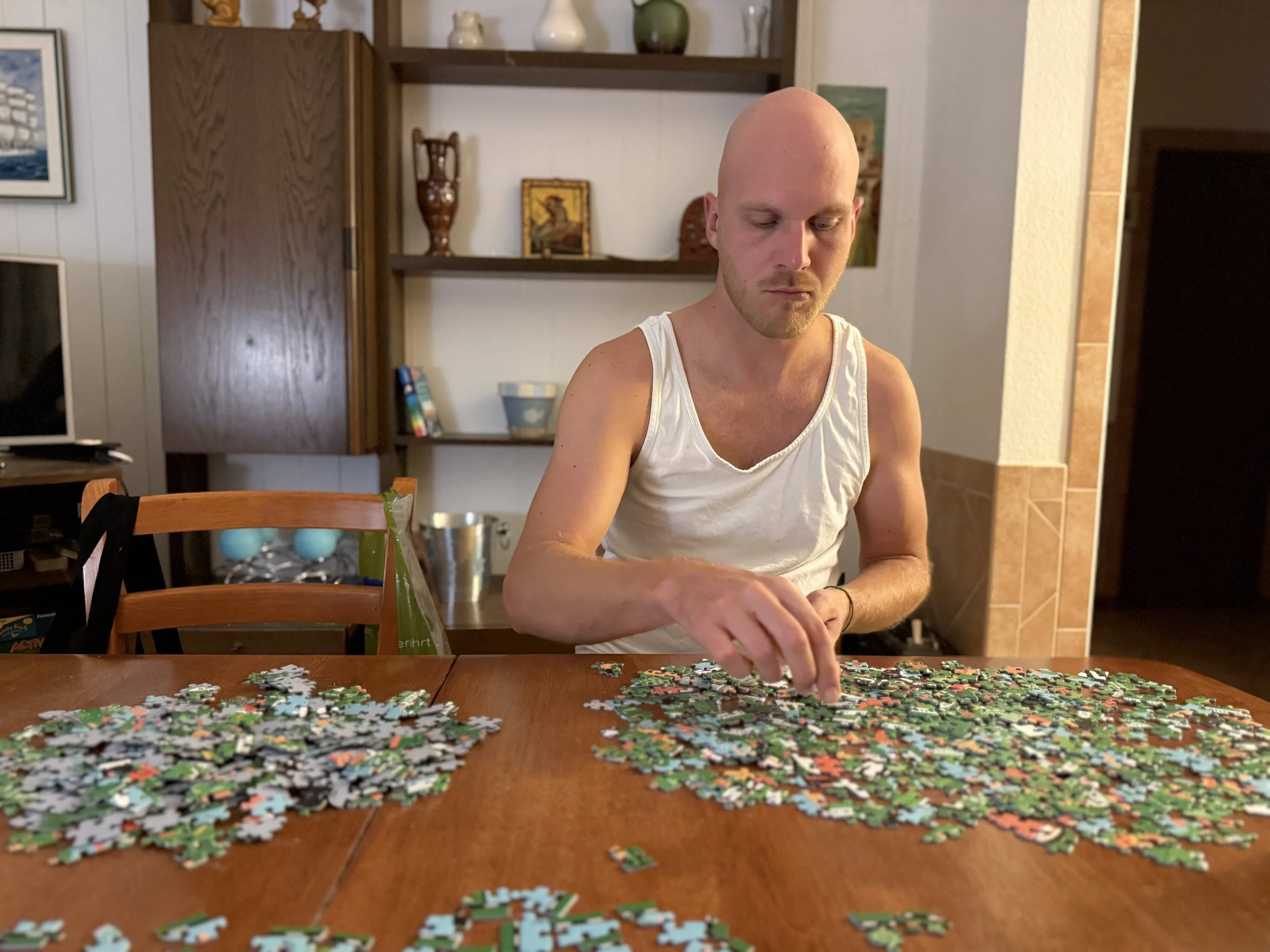
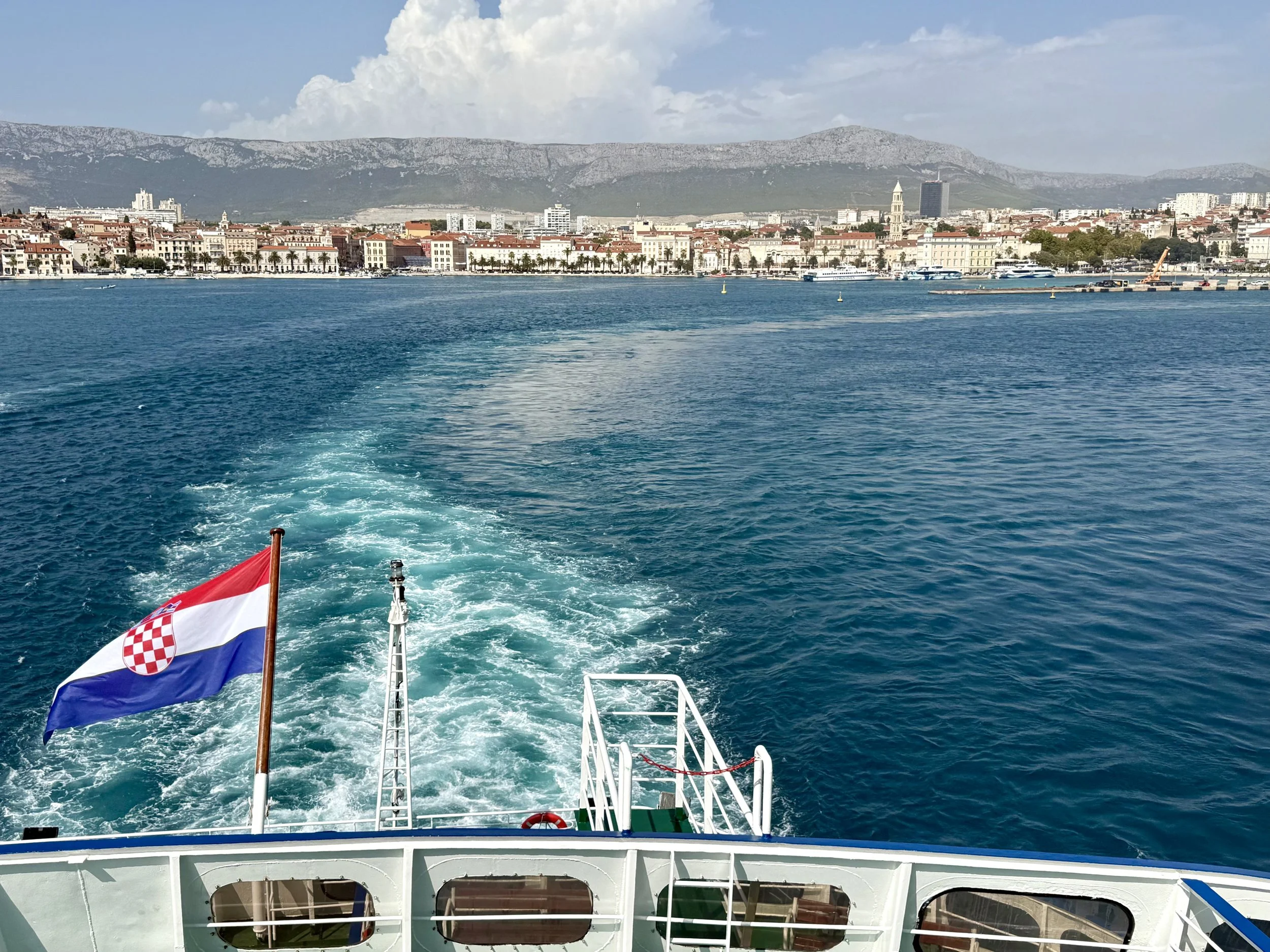
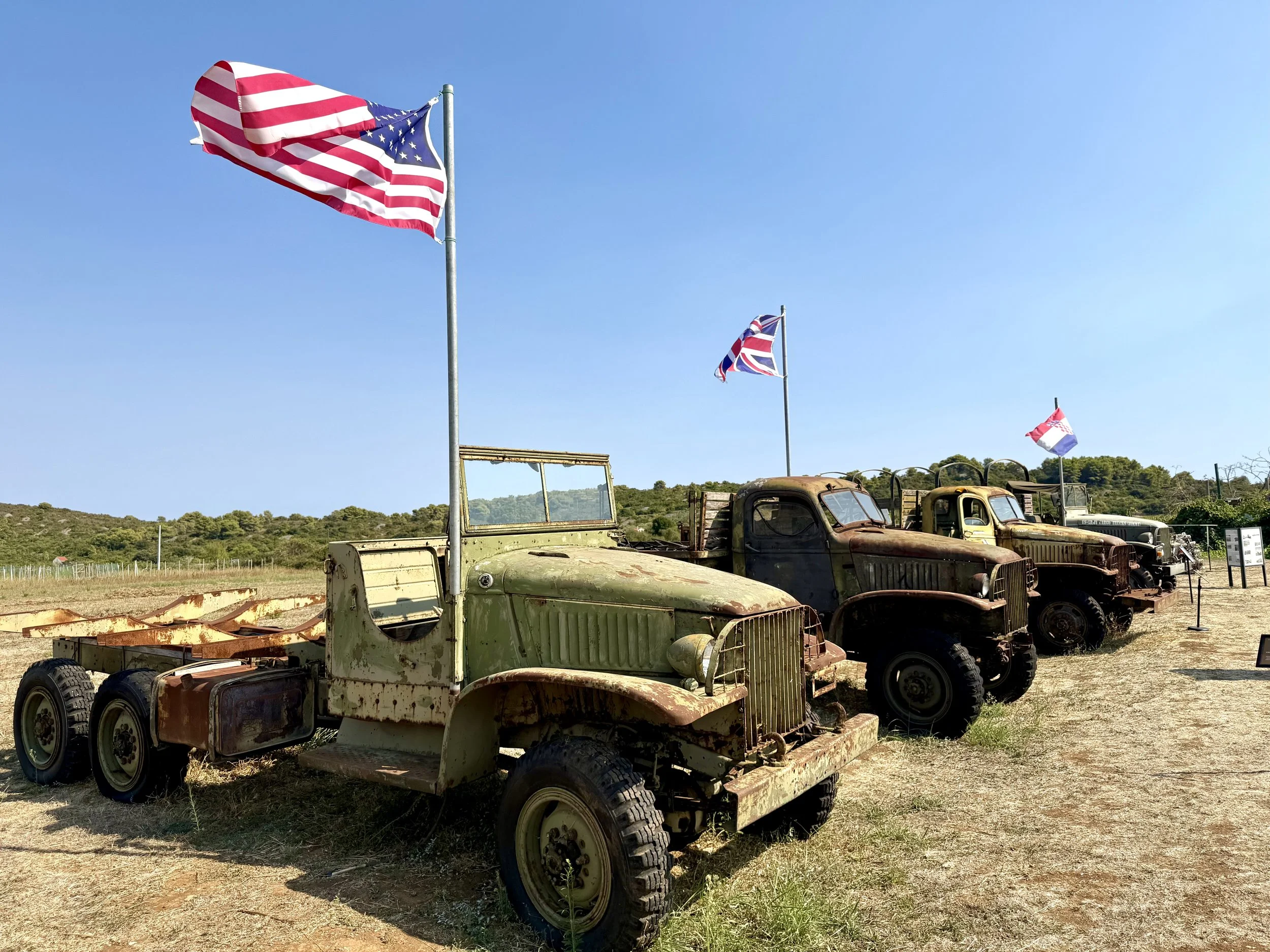
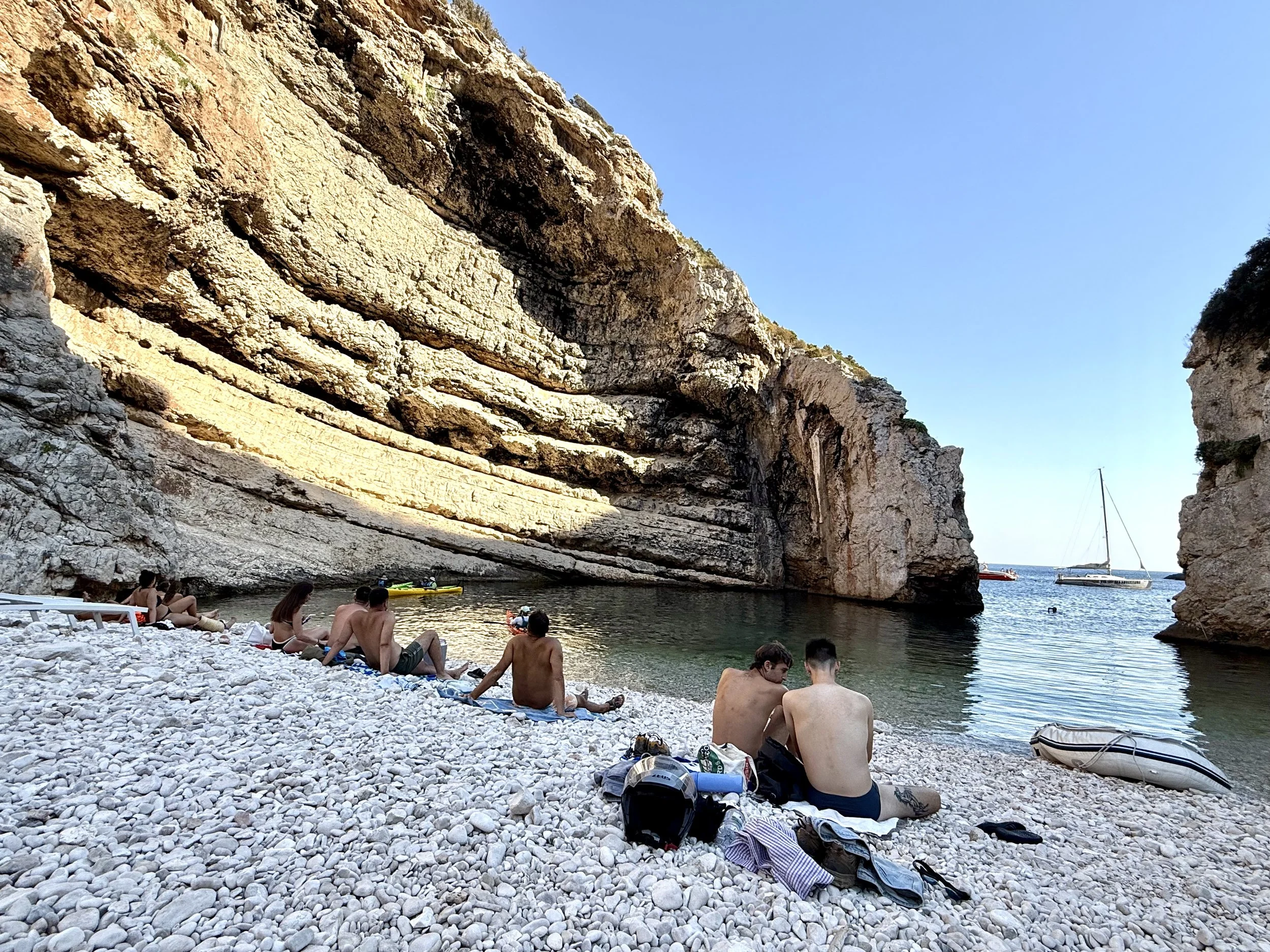
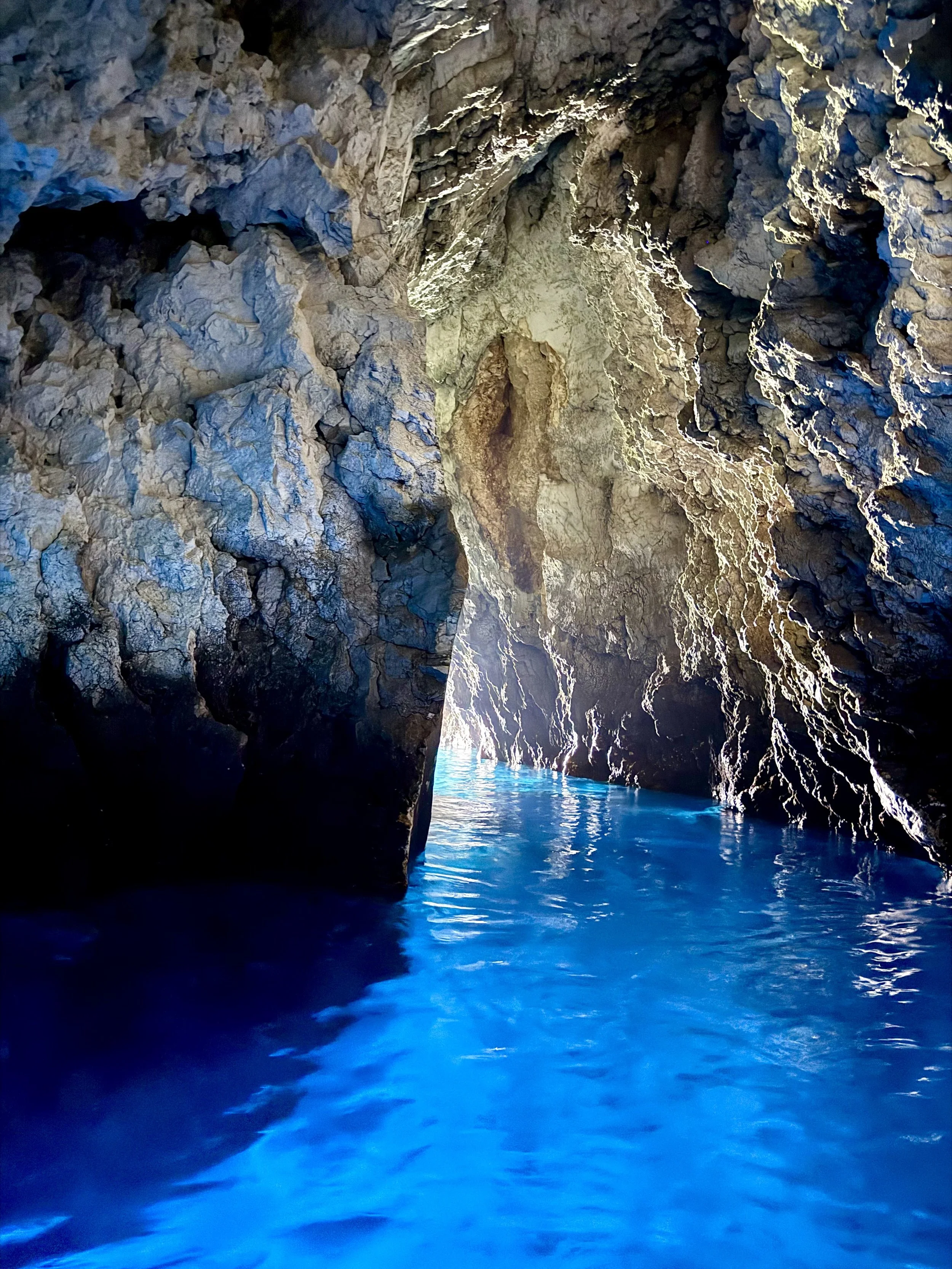
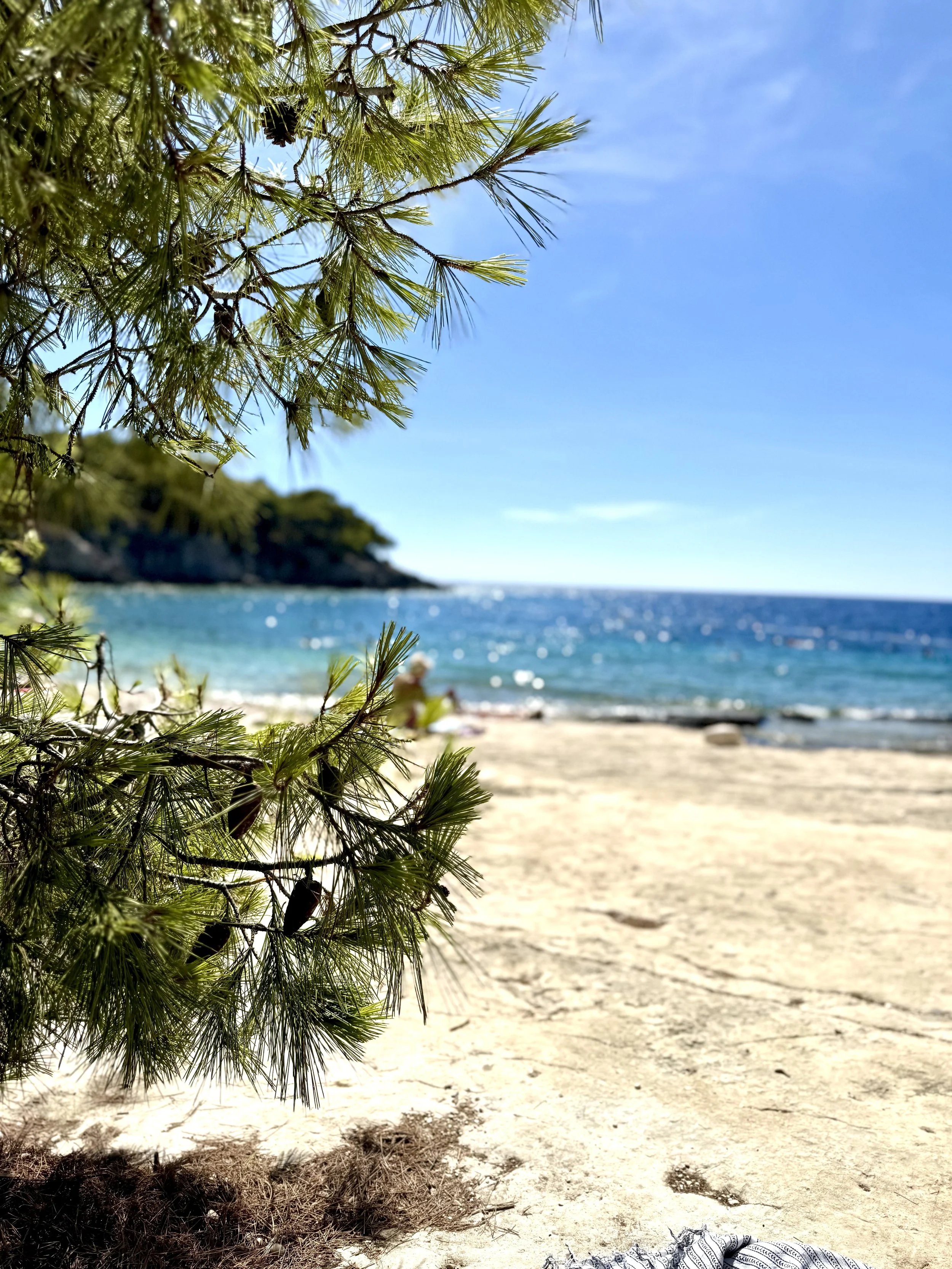
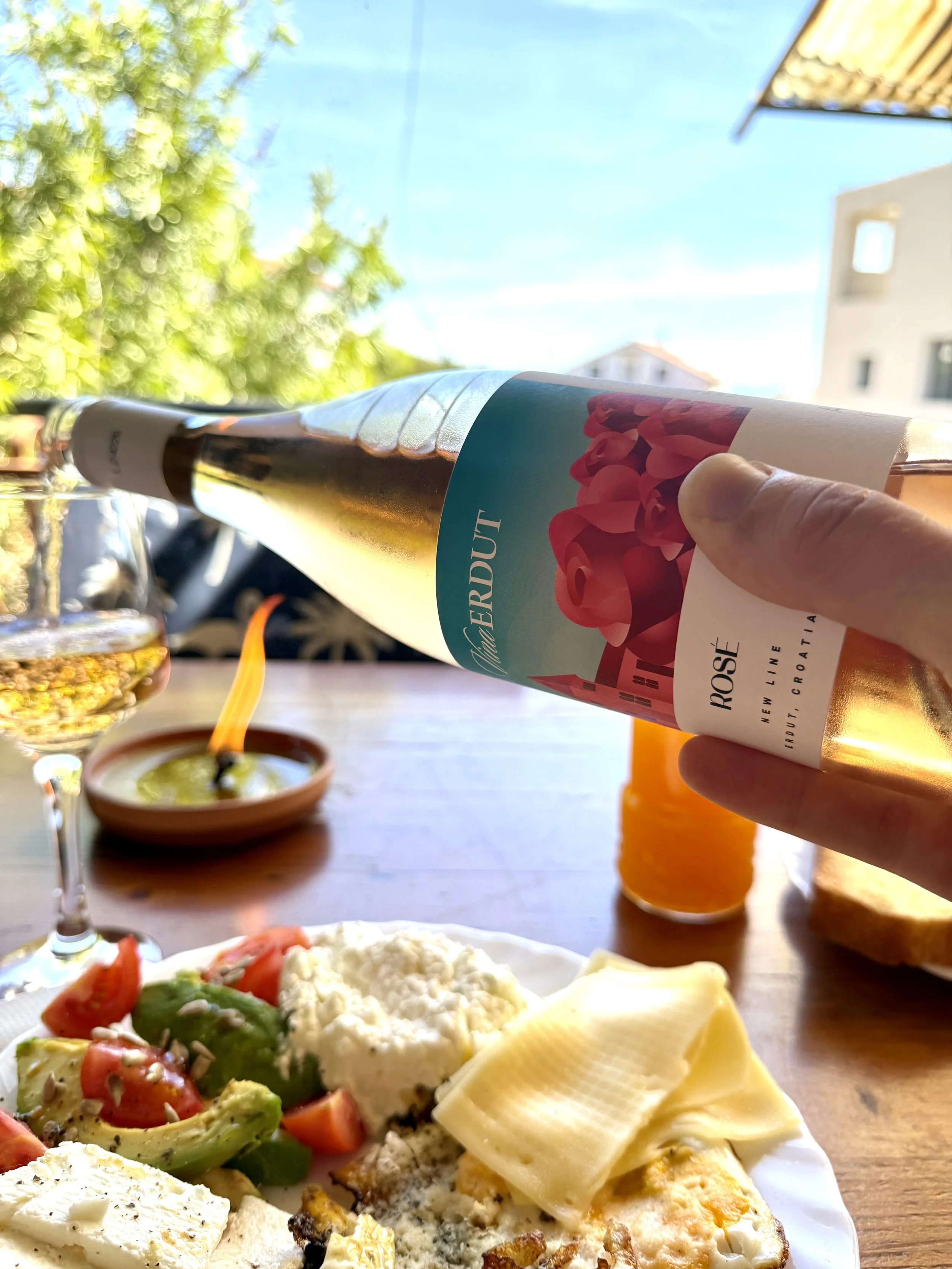
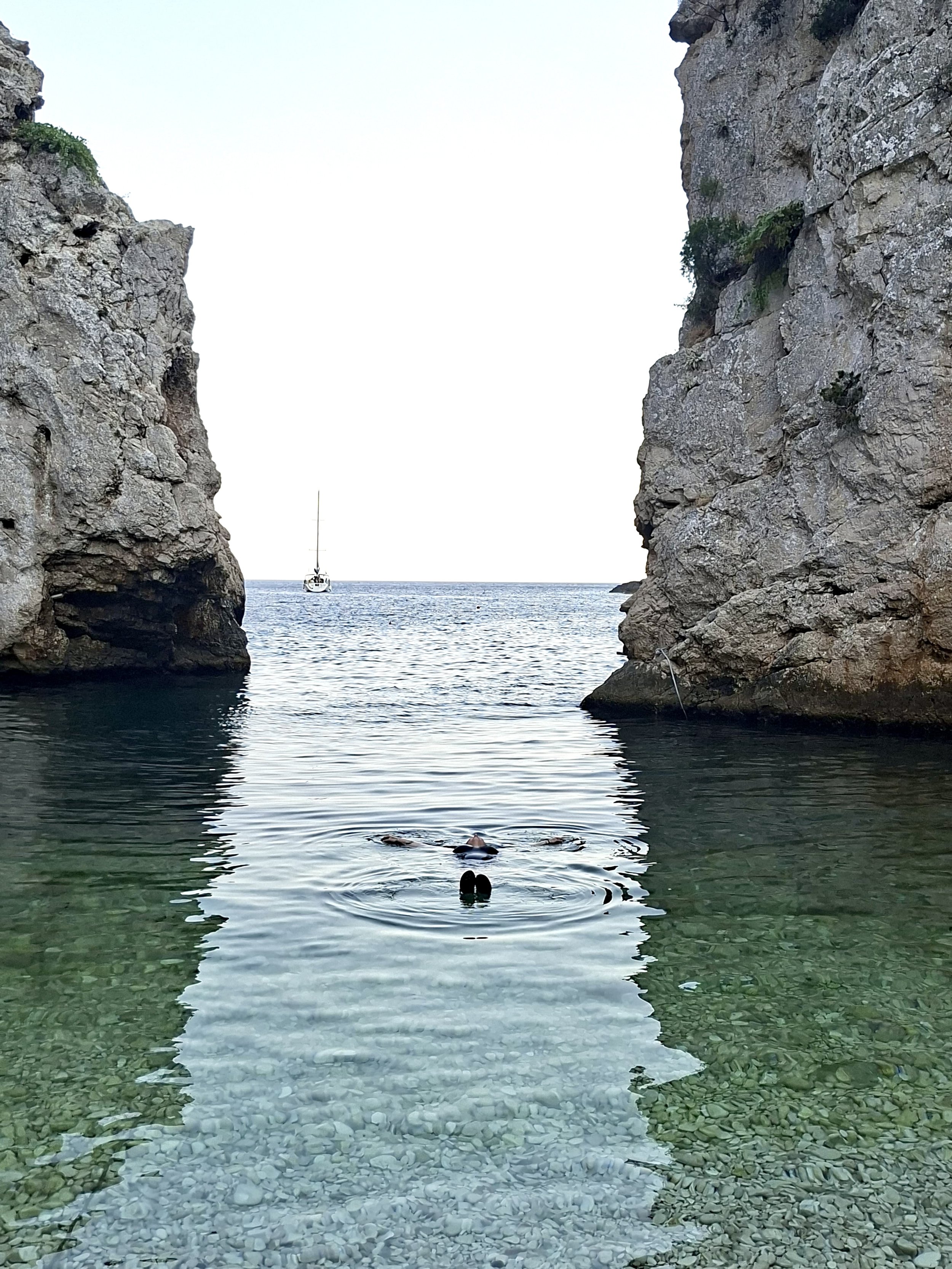
Through Austrian campgrounds, over Slovenian Alps, and down the coast of Croatia we traveled to the island. Vis is made of green mountains and pine trees and blue lagoons. Its streets are filled with songs from the morning bread man and the company of stray kittens. Our laundry dried in the sun and our coffee mugs told stories. Vis is rich in World War II history and surrounded by ocean that is as clear as its skies and as warm as bath water. Falk and I puzzled and we swam in salt water and drank wine with breakfast while our noses were buried in books.
And we found the boat graveyard where Aura lives now.
And I got to meet her.
“I am in love with not knowing the entire path. Tomorrow will reveal itself one page at a time. It will meet you. Don’t try to solve tomorrow before tomorrow has had the chance to introduce itself because it will not ask for permission before changing your life. Tomorrow has never asked you to predict it, it has only ever asked you to arrive.”
Not everyone has understood my pivot.
Seven months away from home will test every relationship that you have.
It was never about the Appalachian Trail.
Or living in the wild. Or sleeping in a tent or dying my hair pink in the bathroom of a Super 8. Or hiking at all. I could have embarked on a hot air balloon ride up the California coast, a mission trip to Cuba, or sunk into Steve Chernus’s survivalist bunker, just the same.
It wasn’t “just a hike”.
It was about Sarah choosing Sarah for the first time in her life despite her fear of being forgotten.
Despite my fear of Mom’s relapse. Dad’s isolation. Of job security. Of hedge funds and health insurance. Loneliness and mountain lions. Of Aurora’s last breath, and of losing touch with my friends.
When you start to take care of yourself, you may lose people. People who have grown accustomed to your endless yeses, and their pushback does not mean that you have made a mistake. It just means that doing what is best for yourself will sometimes let others down.
It is debilitating for a people pleaser to be the villain in someone else’s story.
I almost didn’t go, didn’t leave to pursue my fledgling goal, because holding the hero role had secured my place in the lives of others for so long.
For always, actually.
The hero role kept me company.
But if I would have chosen to be Mama Sarah instead of Aunt Sarah, if I would have been on maternity leave making friends with new Moms- if that was why I was unavailable and gone for so long, would my absence and new circles have been viewed differently? Would it have been warranted in that case? Seen as responsible and unselfish?
Why can’t the decision to take time away for oneself, regardless of the reason, hold validity and maintain respect all on its own?
“Most people think that friendships change because people change. That is not true. The friend that I had at 25 wasn’t the same friend that I had at 35. Or 45. If I would have spent my life demanding her old version back, I would have lost her decades ago. People evolve. That is what they are supposed to do. Friendships end when we expect someone to stay exactly who they were.”
Friendships can also die of natural causes.
I hadn’t heard from Paulie in a while.
The last time was in a voicemail that he left last winter.
“Hey Dippy, it’s Paulie! What’s shakin’, kid? Thinkin’ ‘bout you.. I know, uh…it looks like you guys are gettin’ slammed wit sum weather dahn der, but as cold as it might be, I know yir warm heart will keep ya beatin’ . Well…I’m…again, just thinkin’ of you. Been out of contact with you, Dippy. I hope to talk to you soon, and I hope things are well for you. I wanna hear about all the peaks…as well as the valleys. The valleys…uhhh…take care kiddo. Love you, sendin’ much, much healin’. We always gotta heal, don't we? That’s the thing. We always gotta heal wheda we know it or not. I gotta write that down, Dippy. I like that. Anyhow, talk to ya soon, kiddo. Ciao.”
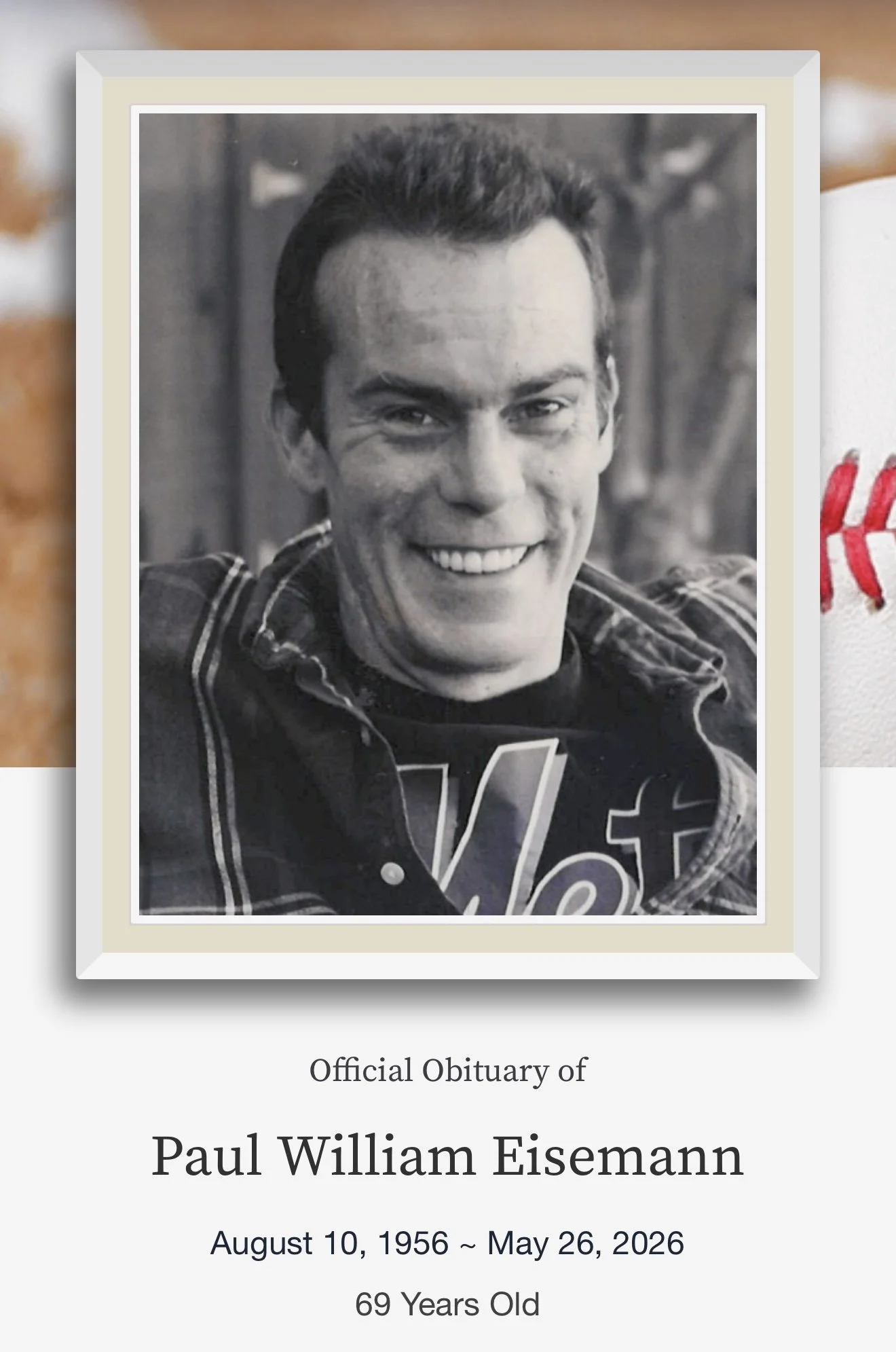
So I Googled, “Paul Eisemann”.
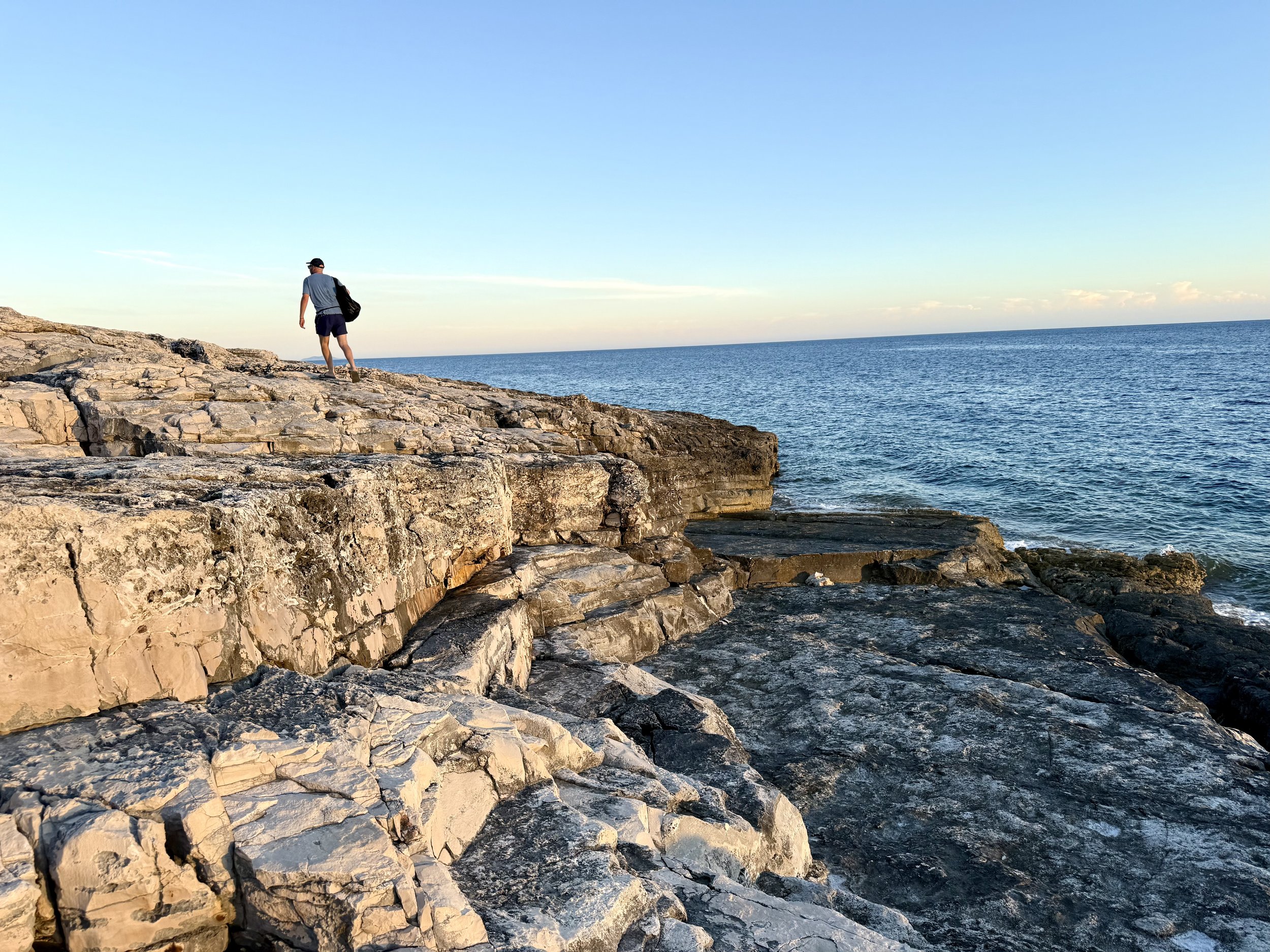
I was belly down and emotions up, on a slab of rock under the Croatian sun, when I had this deep down, gut-type of feeling that the internet was going to tell me what I feared the most.
That Paulie had died.
“Paul William Eisemann, 69, passed away on May 26, 2026. He is survived by…”
The lump in my throat strangled me from continuing.
I was choking on tears, searching for words, for a way to talk to Paulie just one more time. I pushed myself up from the rock and tried to explain my feelings to Falk. My deep sense of loss for a man that saved me from myself back on Bear Mountain in 2021.
But no one could have understood.
Except for Paulie and me.
The morning that I met Paulie, I was exhausted. My spirits were as empty as my wallet after spending the last of my cash on a room at Beaver Lodge. My pillow was so soft, filled with so many feathers. That pillow was magnetizing. I was at war with my alarm. It was screaming at me to get back to the trail, and only my dreams of free pastries could have pried me from that pillow. I threw a toothbrush in my mouth and leftover breadsticks in my backpack, and ran out of the lodge in hopes of making it to breakfast before it ended. In 10 minutes. I felt like I was forever rushing, forever racing. From a rattlesnake. Toward the bagels. And all of the way to Mount Katahdin.
That’s when I met a man who was riding a John Deere, tending to the grounds of the Inn. His silver name tag matched his hair. “Paul”, it read. He had a face that showed his yesterdays and a means of transportation with four wheels that could move far faster than my feet.
“Hey, Paulie? Can you give me a lift to the main cabin? For breakfast? On your tractor.”
“Sorry, kid. No one rides on ‘da Deere. Nat ma rules, itsda house rules.”
Paulie had a thick Brooklyn accent. His “threes” sounded like “trees”.
And I understood his predicament.
So I turned to the trail, wound around Hessian Lake, and started hurrying toward the creme cheese.
“Wait, wait! Whatcha’ carryin’ kid?”, he called ahead, chasing me on his tractor and over the lawn with some speed. Once he caught a glimpse of the size of my backpack, Paulie knew that I was going somewhere.
“I walked here from Georgia, from fucking Georgia, Paulie!”, I yelled behind without breaking bagel stride.
And that is exactly when Paul William Eisemann broke the rules of each and every supervisor and city cop that had ever tried to stop him in his entire life, “From Georgia? You walked from Georgia up here to New York?! Hop on kiddo, ya goin’ fa’ a ride! And if anyone, anyone, asks- ya sprained ya ankle!”
Paulie and I four-wheeled over his freshly manicured green, grassy lawn and in between trees that wove from Beaver Lodge and all of the way to the Bear Mountain Inn so that I didn’t miss a free breakfast that morning. He was laughing with abandon the entire way. We thrilled over every bounce that sent us flying through the air and off of those pleather seat cushions.
“This is incrediba’! This is just incrediba’!”, Paulie threw his words toward me so that I could hear him through the wind while he steered the Deere. His astonishment was as much for his morning as it was for my walk.
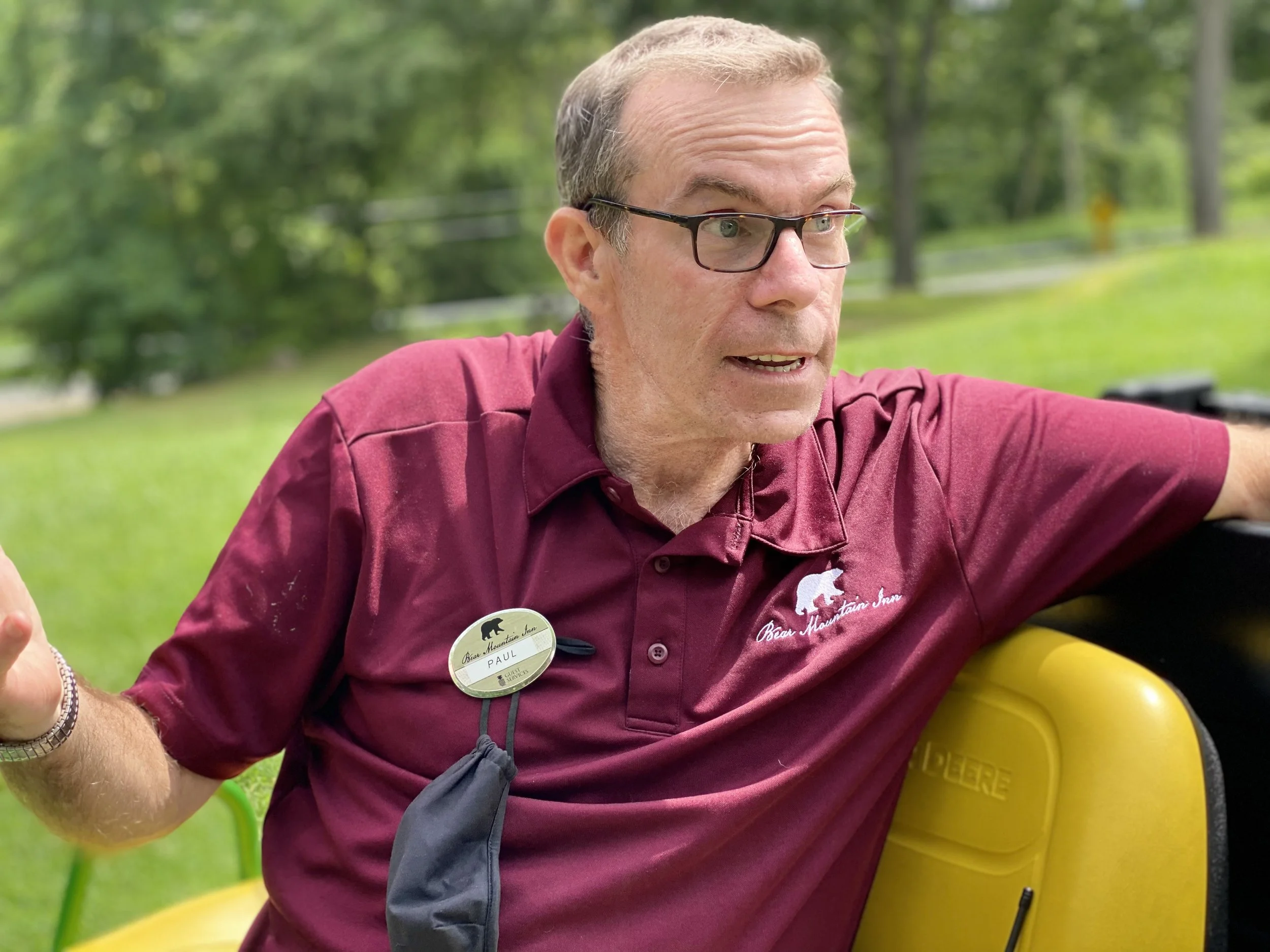
“Ha’ many miles ya doin’ a day, kiddo?”, he kept asking me questions, and I kept answering them while I gripped onto my seatback for dear life.
“15 is my max. When I push myself past 15 miles, I start seeing red and my day turns to shit.”, I could be honest with Paulie.
“Well, ‘den, mile 16 is where ‘da magic will happen. You’ll learn ‘da most about yaself on mile 16, kiddo.”
“My darling girl, when are you going to realize that being normal is not necessarily a virtue? It rather denotes a lack of courage.”
Mile 16 will always be for you, Paulie.
Aunt Sarah knows so.